Each year, the National Park Service in Alaska reviews compendiums for park areas and provides the public with an opportunity to comment on proposed changes or suggest changes. This year, Katmai National Park is proposing a change to its compendium that will give staff greater flexibility when managing the Brooks River area. If you value the river’s wildlife and the bear-watching experience at Brooks River, whether in person or through explore.org’s bearcams, then please support this change.
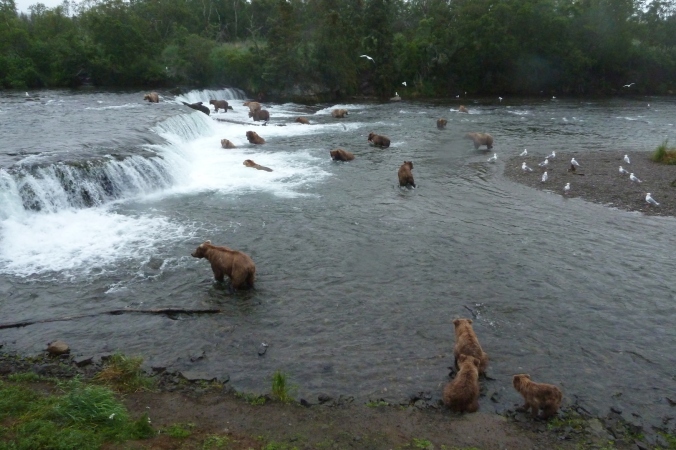
Visitation at Brooks Camp has skyrocketed to unprecedented levels during the last several years. In 2015, the last full summer I spent as a ranger at Brooks Camp, approximately 9,300 people attended the NPS bear orientation. In 2016, the number of orientations climbed to 10,900. By 2018, the number had grown to 12,500 and in 2019 it reached over 14,000, the highest visitation every recorded at Brooks River. This change may not seem like much (Yellowstone’s Old Faithful Visitor Center often receives over 10,000 people per day in summer). However, the Brooks River corridor is quite small. The river itself is only 1.5 miles long and during the busiest days in July over 500 people and a few dozen brown bears attempt to share its space. The increase in visitation and unrestricted access to the river has created an untenable situation that taxes park staff, facilities, the experience, and the bears’ ability to tolerate and adapt.

Attendance to mandatory bear safety orientations can be used as a proxy for overall visitation to Brooks Camp. In the last ten years, the number of people attending the orientations has doubled.
Related: Bears and Humans at Brooks River
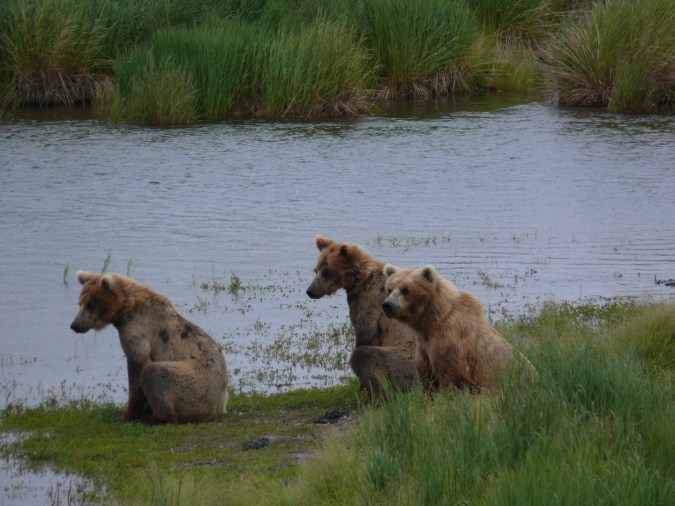
Brooks River is a unique place within America’s national parks. In a landscape home to more bears than people, it is Katmai National Park’s most famous bear watching destination. However, it is perhaps the only area in Alaska that is actively managed as a bear-viewing destination yet has no restrictions on access. No permits or guides are required to visit. There is no limit to how many people can visit each day and almost no restrictions on where you can go when you get there. Arriving visitors are required to attend a mandatory bear safety talk that outlines the proper and expected behavior. After that though, you are largely free do go about your business. To help manage the situation, the National Park Service has proposed this change to Katmai’s compendium.
The Superintendent may prohibit activities, impose restrictions or require permits within the Brooks Camp Developed Area. Information on closures and restrictions will be available in the park visitor center. Violating [Brooks Camp Developed Area] closures or restrictions is prohibited.
The NPS lists several reasons for the proposed change.
- High visitation and improper behavior by people has negatively impacted bears along the river corridor.
- The park has received more complaints and concerns from the public regarding bear-human interactions.
- Bears are changing how they use the river, so current closures are becoming increasingly inadequate.
- Visitation has increased dramatically over the last several years.
- To better manage the river corridor, the park needs more flexible management tools.
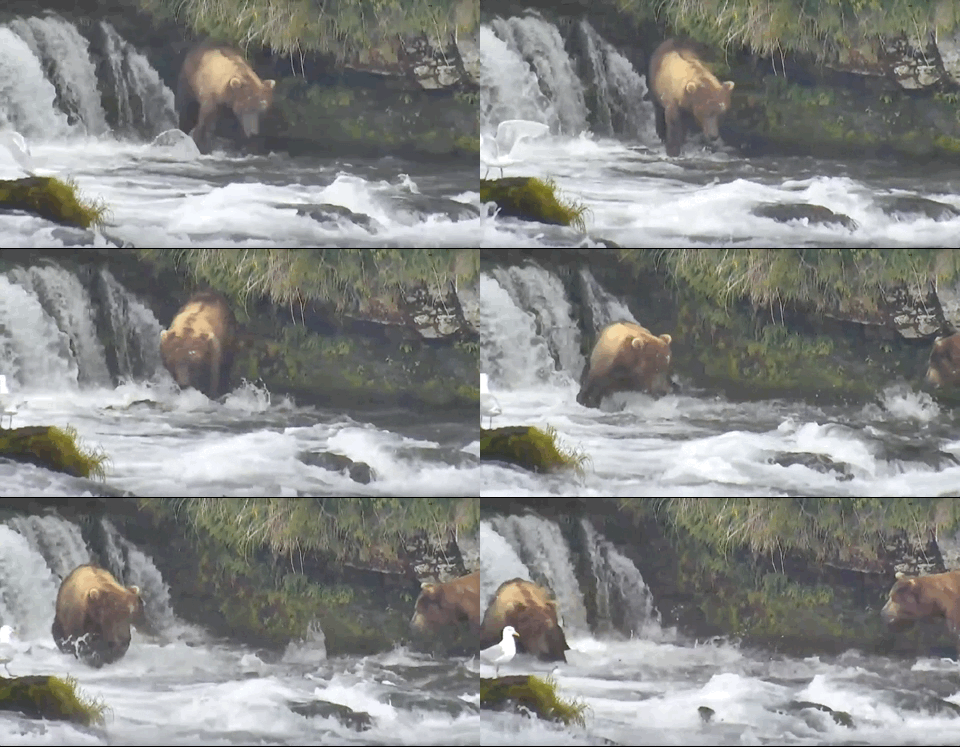
While the proposed change is no panacea for the challenges facing park staff at Brooks River, it can provide an important tool to manage changing situations. For example, it hypothetically allows the NPS to extend the closure around Brooks Falls beyond August 15 or even restrict human access in the lower river area when bear activity is high.
Quite often, proposals for greater restrictions and regulations in national parks attract more opposition than support, especially if the change has the potential to impact public access or business interests. Now though, we have the opportunity to let the NPS know this change is worthwhile and necessary.
Portions of Katmai’s bear population are equally sensitive to human disturbance as the grizzlies in Yellowstone, yet the only area in Katmai where people cannot venture is the immediate area surrounding Brooks Falls, and then only from June 15 to August 15. Since I came to discover Brooks River for myself in 2007, protections for bears have slowly eroded. In the face of skyrocketing visitation, the NPS has proposed a positive step to protect bears and the bear-watching experience. So please send the park a comment expressing your support for the change. Here’s an example to get you started (feel free to customize it as you see fit). You can download a copy of the proposed changes and submit comments on the NPS’s project website. The comment period is open through February 15, 2020.
PS: If you plan to visit Brooks Camp this summer or in the future, please consider subscribing to the Brooks River Pledge. It’s a personal pledge between yourself and Brooks River with the goal to emphasize respect for the bears’ space as well as ways to continue to have a high quality bear viewing experience.












 Wandering at Large