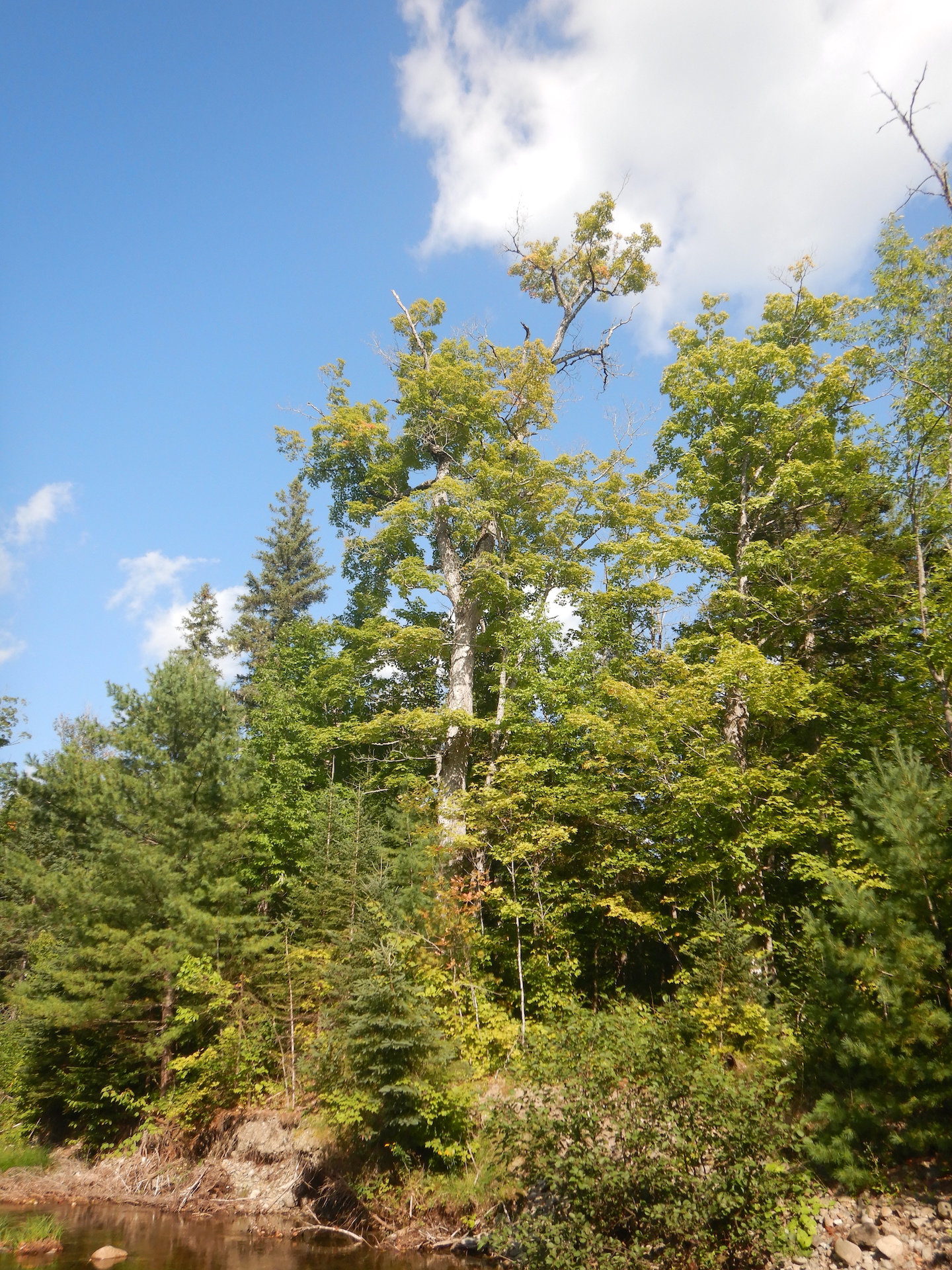
Truly knowing a place might be a capacity only of the omniscient or for earthly beings, perhaps, something gained through multi-generational experience. Lacking omniscience, living in an area far from where I was raised, and having lived in my home only for a few years, I’m forced to make do as best I can. I’ll never know a place in its totality, but I’ve come to realize that I can get closer if I experience it in every season, which is how I found myself trekking to the top of Mount Chase, Maine during every month of the year.
December 11, 2022
The first trip in the journey and the most treacherous. Snow has yet to establish itself for the winter and ice covers many sections of trail. The summit is frosty. The hike down is much slower than the hike up.


January 8, 2023
With snow now covering the ice, the trip is far easier than last month and the snow is not yet thick enough that I have to ski to the trailhead. My trusty fat tire bike, Large Marge, gets me there. At the summit, visibility is exceptional and perhaps only limited on this day by the curvature of the Earth. On the way down, I hear a raspy-sounding chickadee. A boreal? Yes. I see it fluttering from branch to branch in the spruce-fir forest maybe 200 – 300 feet in elevation below the summit.
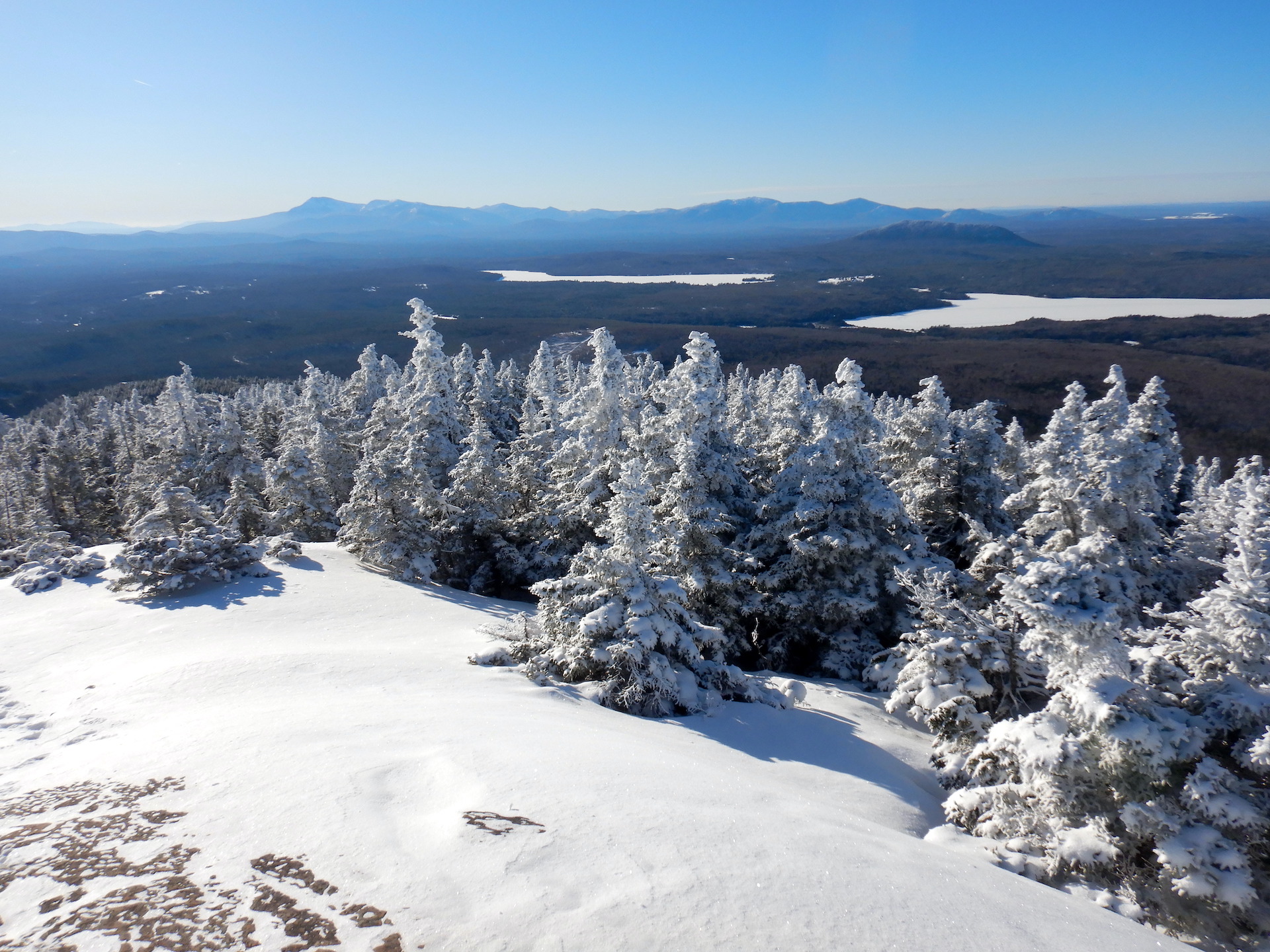

February 12
Peak winter. Minus 60˚ F wind chills during the week prior and low air temps approaching -30˚ F at home. I know arctic peoples cope with those temperatures routinely, but I’m too poorly prepared to survive those conditions. Thankfully, this day is warmer, so much so that snow fleas are active on the snow surface. I ski as far as I can up the trail. Eventually, I abandon my skis and walk the rest of the way when the trail steepness beyond my comfort level. The trail is also too narrow to ski down safely and I don’t own the the right style of skis or the skills to do that anyway. On the way up, though, I miss their floatation. The snow pack on the upper mountain must be at least 36 inches. I post-hole to my waist on two occasions.

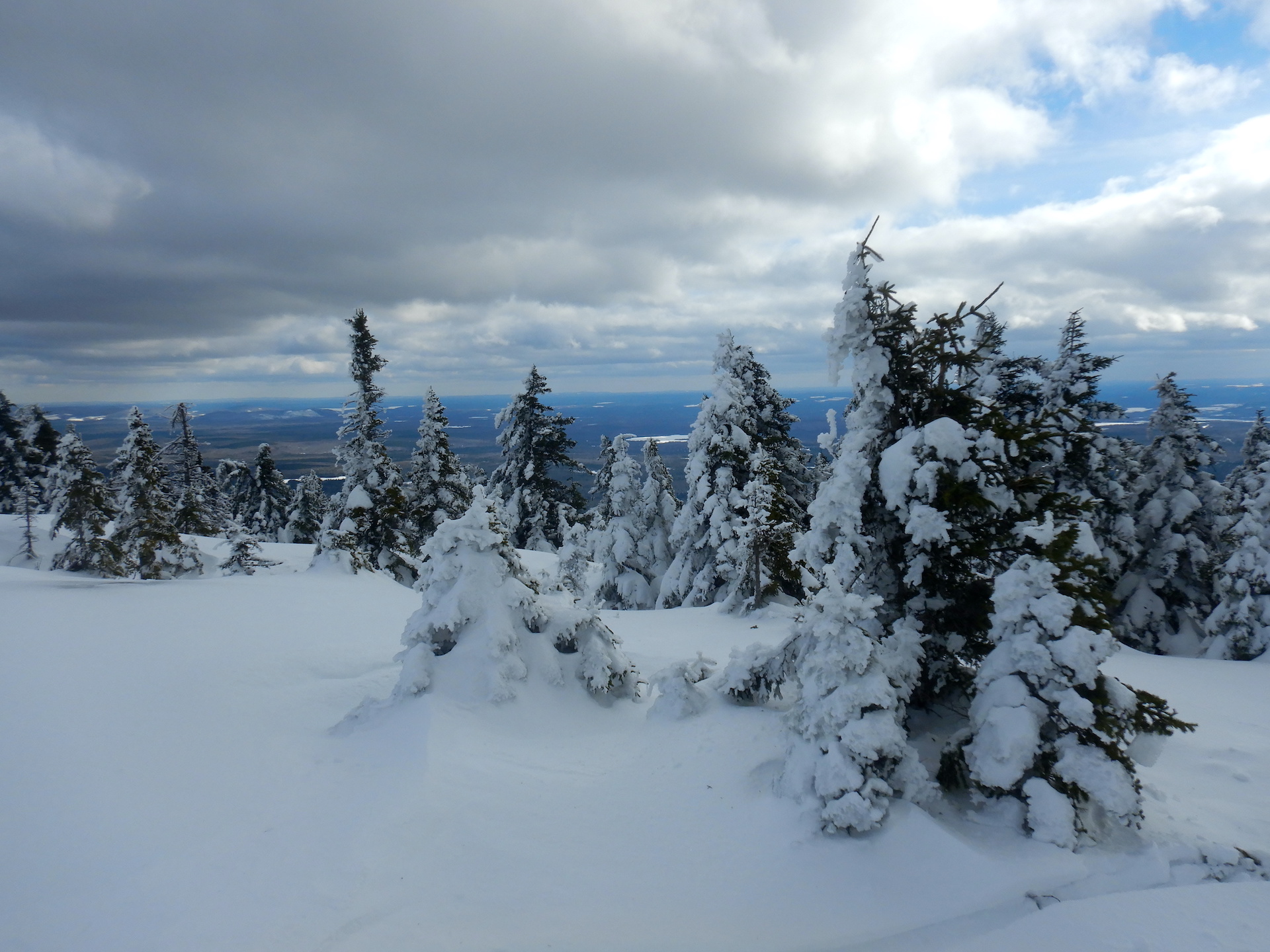
March 11
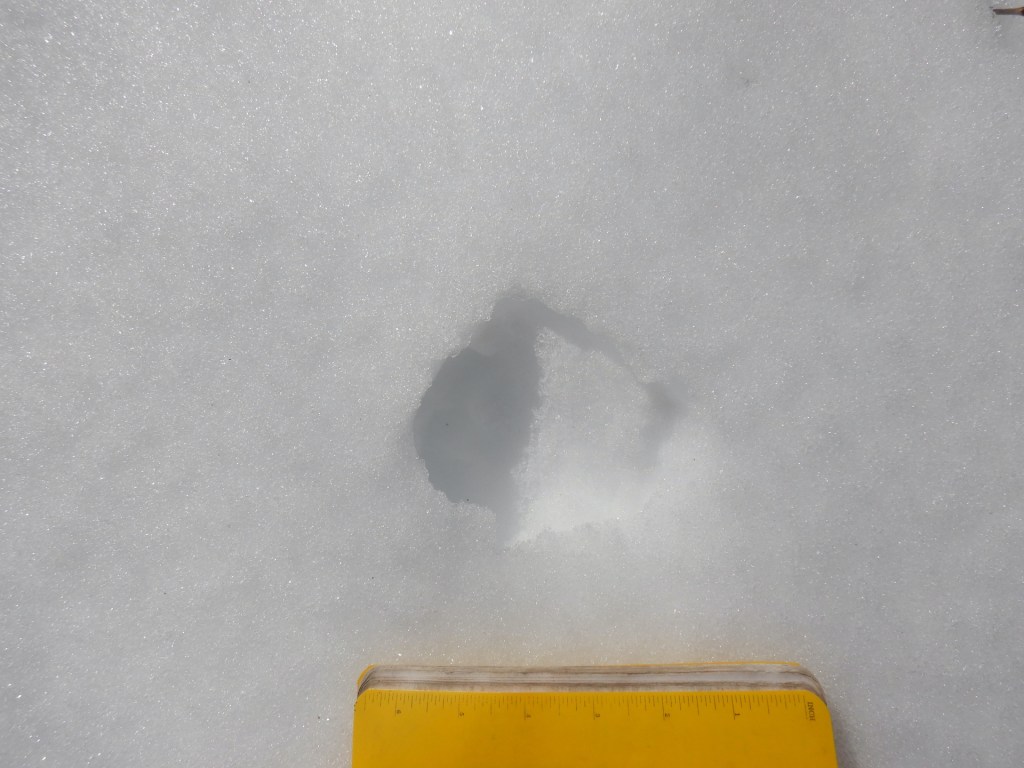
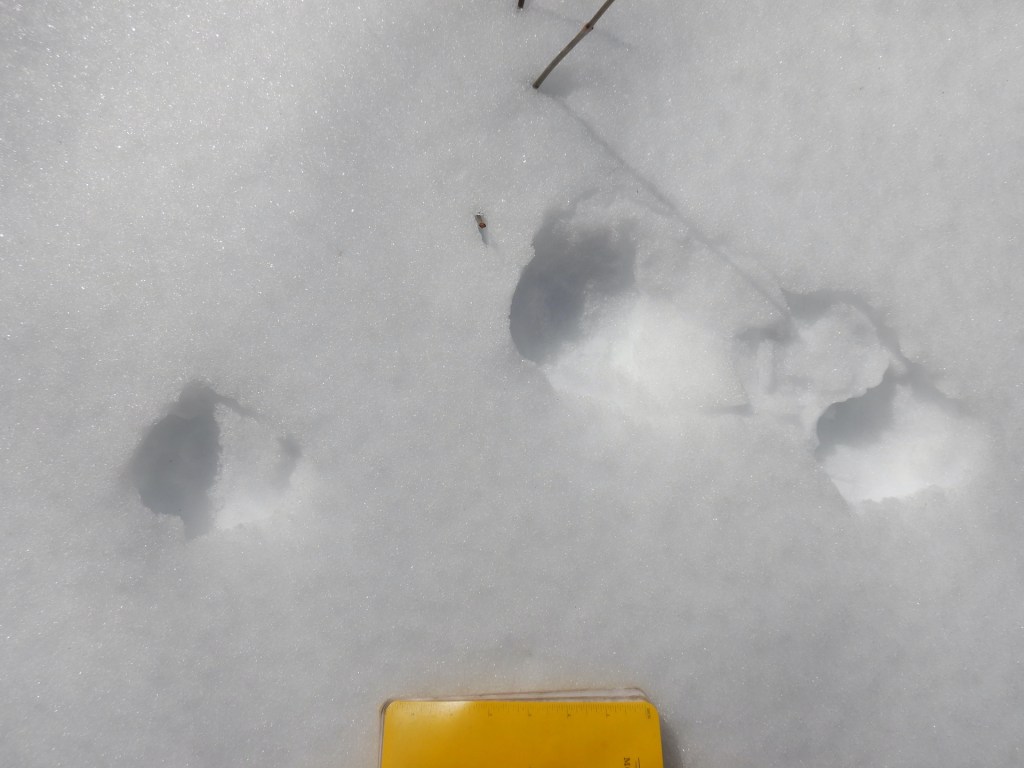
The snow seems deeper than February, but maybe this will be the last deep snow trip of the year? Along an alternative route I like to take to the main trail, I find a set of lynx prints in the snow. Farther up the mountain I ditch my skis again at a point above the abandoned fire warden’s cabin where the slope gets too steep. A few snowmobiles have made the trip, though, and I continue with relative ease in their trackways.

April 22
A difficult trip to the top and back (the hardest of them all, in hindsight). Mud season has fully enveloped the region. The dirt roads that approach the trailhead are slop. Large Marge gets me to the trailhead but not without extra effort from my legs. The trail remains almost wholly snow-covered above the abandoned fire warden’s cabin and the remaining snow is soft. Still, I’m thankful winter’s dormancy is broken. Near the trailhead, I hear wood frogs looking for love in a nearby a vernal pool. The calls of juncos, robins, and sapsuckers—birds that do not overwinter here—fill the deciduous forest nearby.


May 17
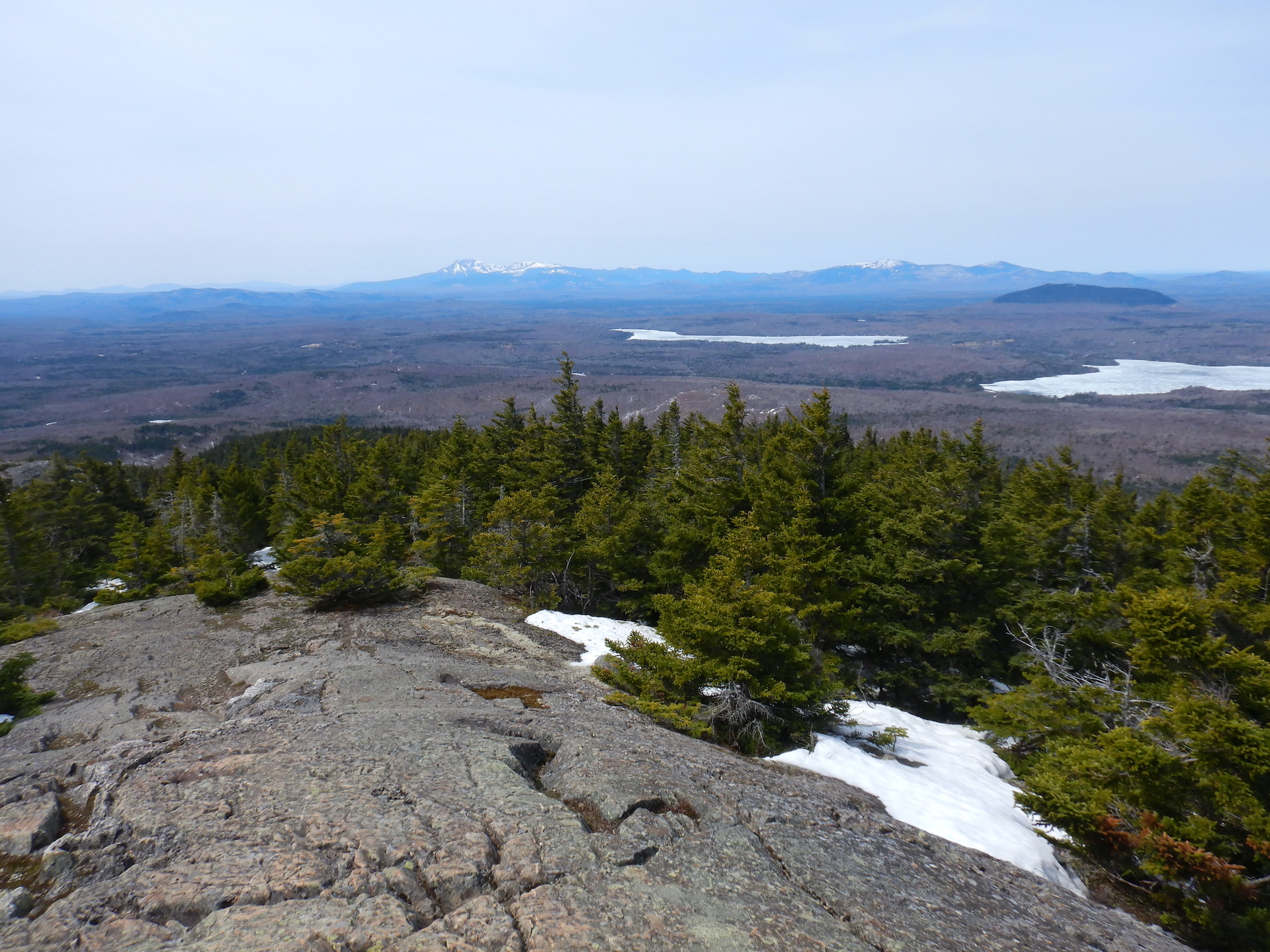
I thought I’d be done with snow on the mountain by now. I was wrong. It falls on the way up and on the summit. Some small patches linger in the shadiest areas among the spruce and fir. Bud break might be advancing fast at lower elevations, but the plant phenology seems at least a week delayed on the mountain’s mid elevations and maybe two weeks behind in the summit area.

June 19
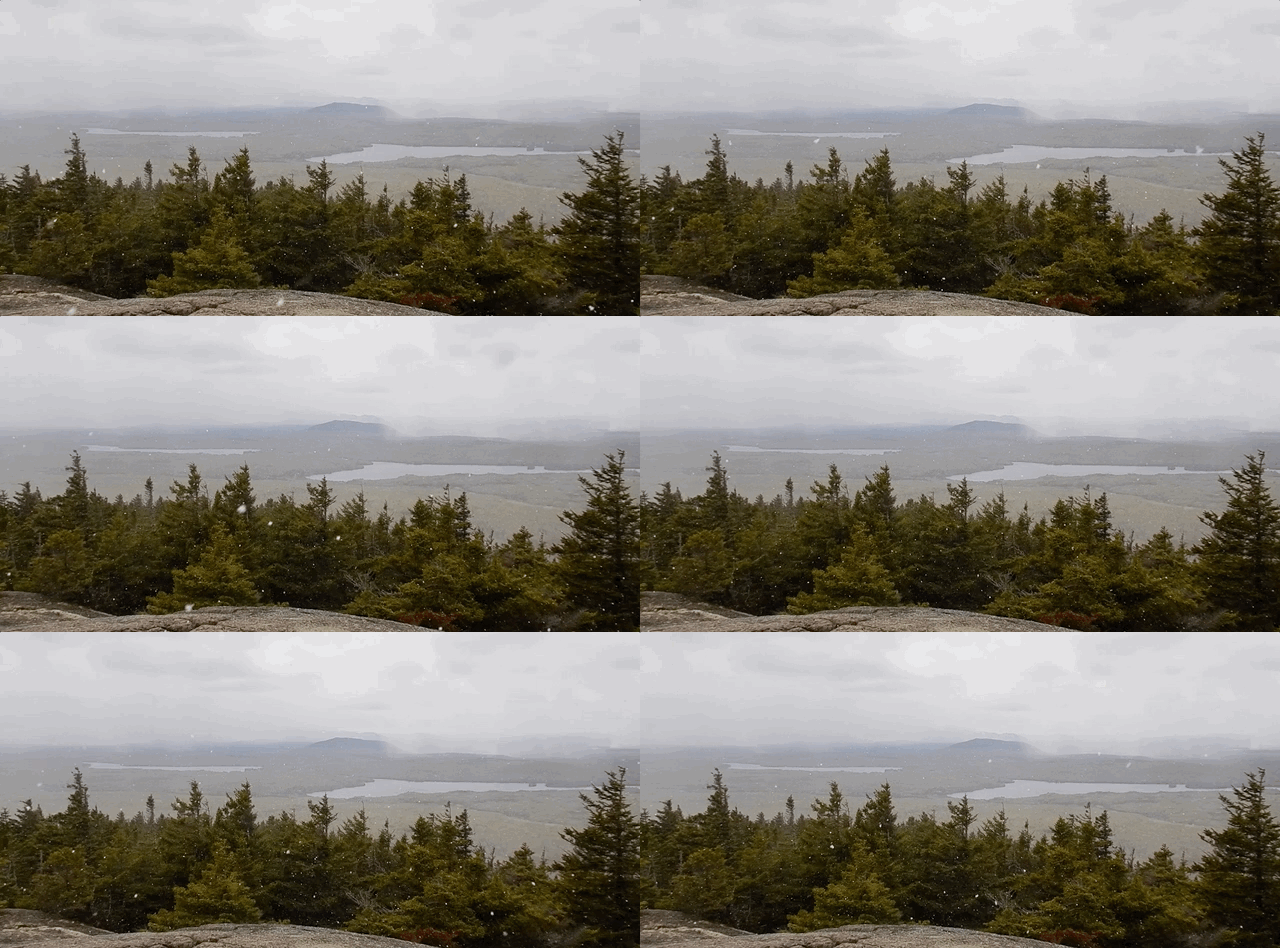
A busy day on the trail with a whopping three cars at the trailhead! Large Marge, as usual, doesn’t have any other bicycles to keep her company. The forest has come to life. I note more than 20 plant species blooming. Biting insects are surprisingly few in contrast to home where the abundance of mosquitoes and black flies force me to don long sleeves, long pants, and a headnet almost anytime I intend to spend more than a few minutes outside. In the spruce-fir forest, I enjoy listening to the songs of blackpoll warbler. Sadly, they are categorized as a threatened species in the state.
July 21
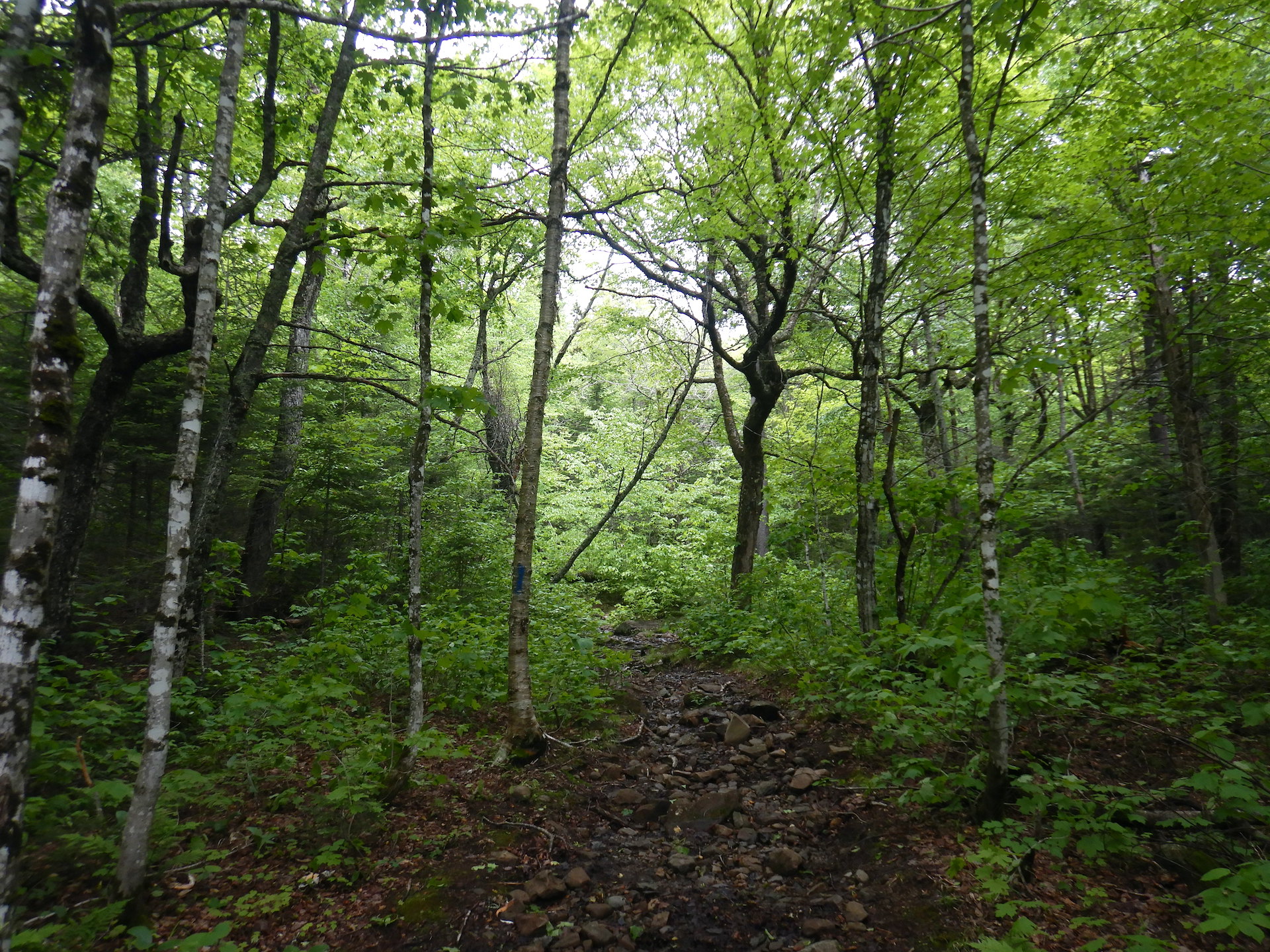
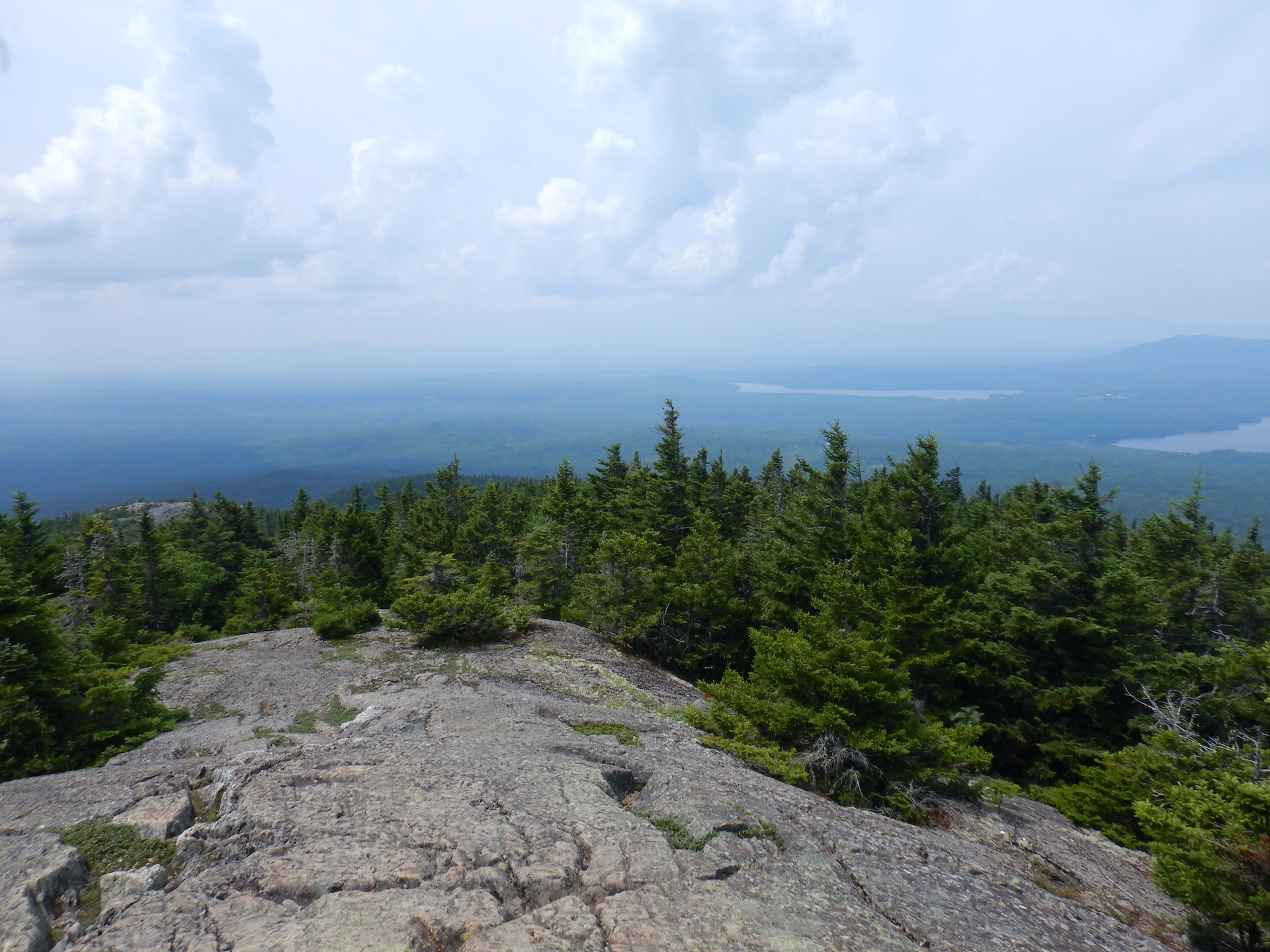
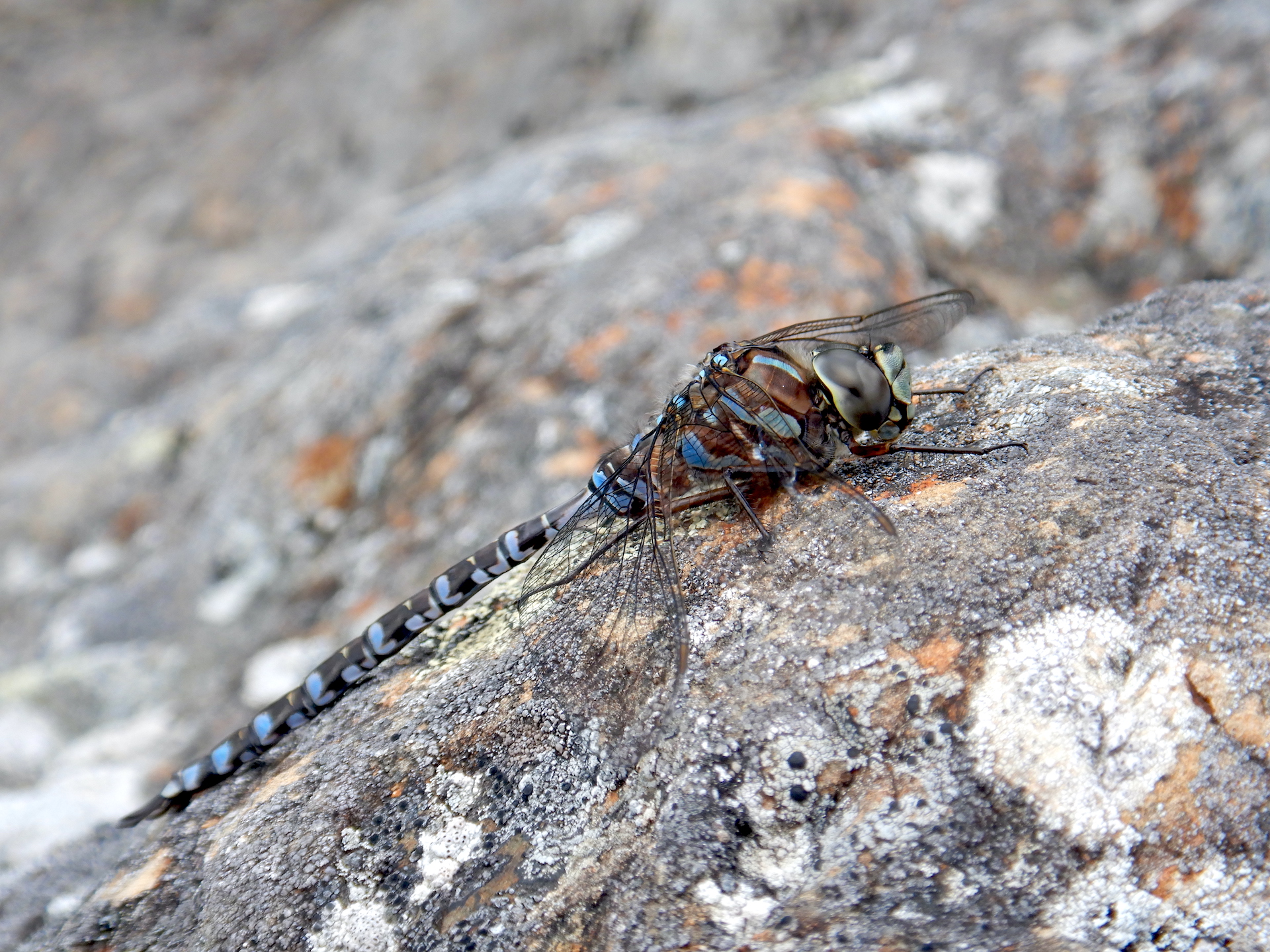
The air feels and looks heavy due to high humidity and hazy, smoke-filled skies. This isn’t the first day of the summer with these conditions, and the past two summers had days like this too. Is the presence of smoke becoming the new normal for summertime Maine? I concentrate on observing the trees, which are in “peak green,” a phase in summer when the foliage has reached its max yet still retains some of the freshness of spring. Fledgling birds are the latest addition to the animal community. Golden-crowned kinglets and red-eyed vireos feed noisy babies. On the summit, hundreds of dragonflies zip between the stunted trees.
August 20
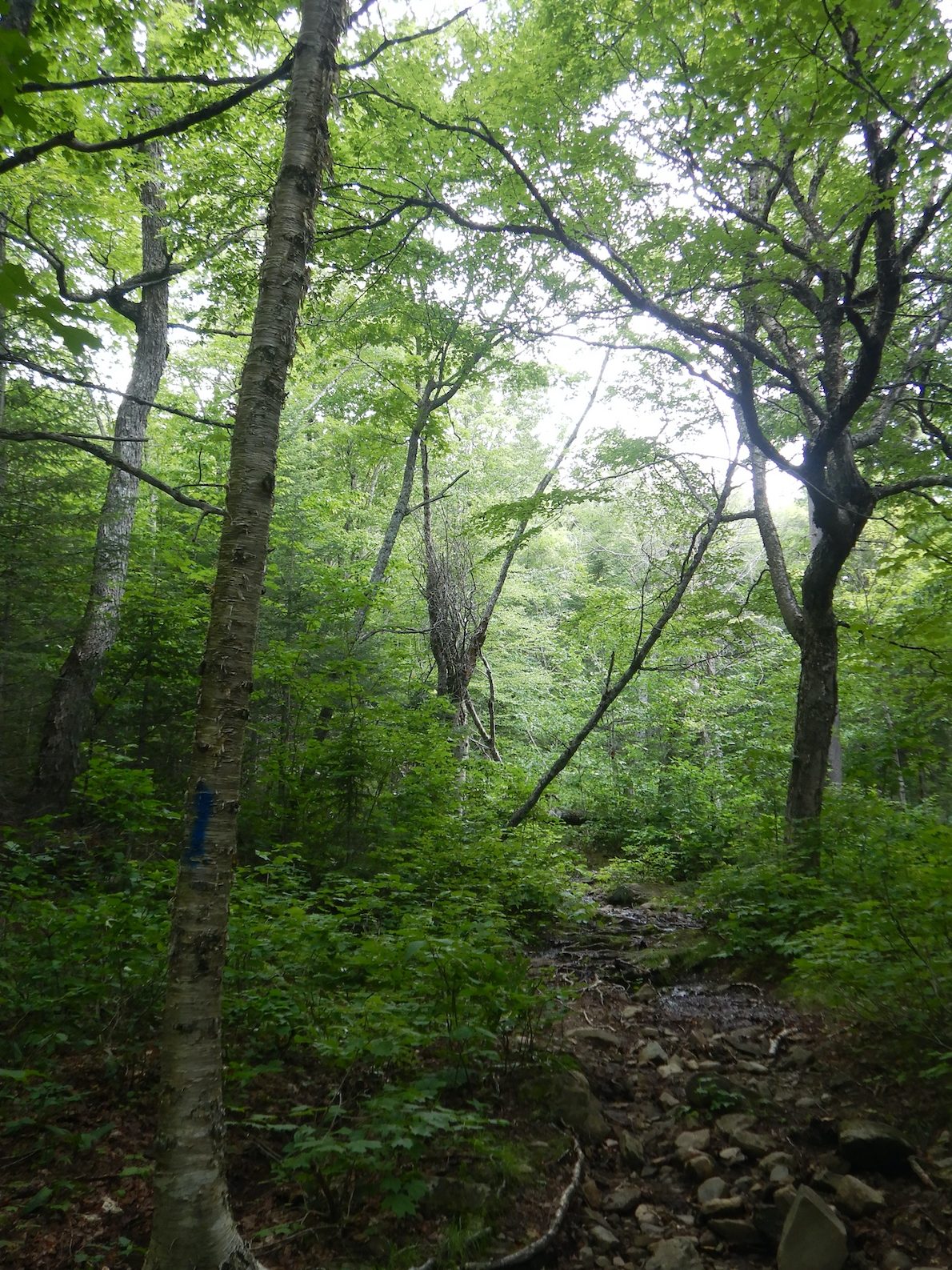
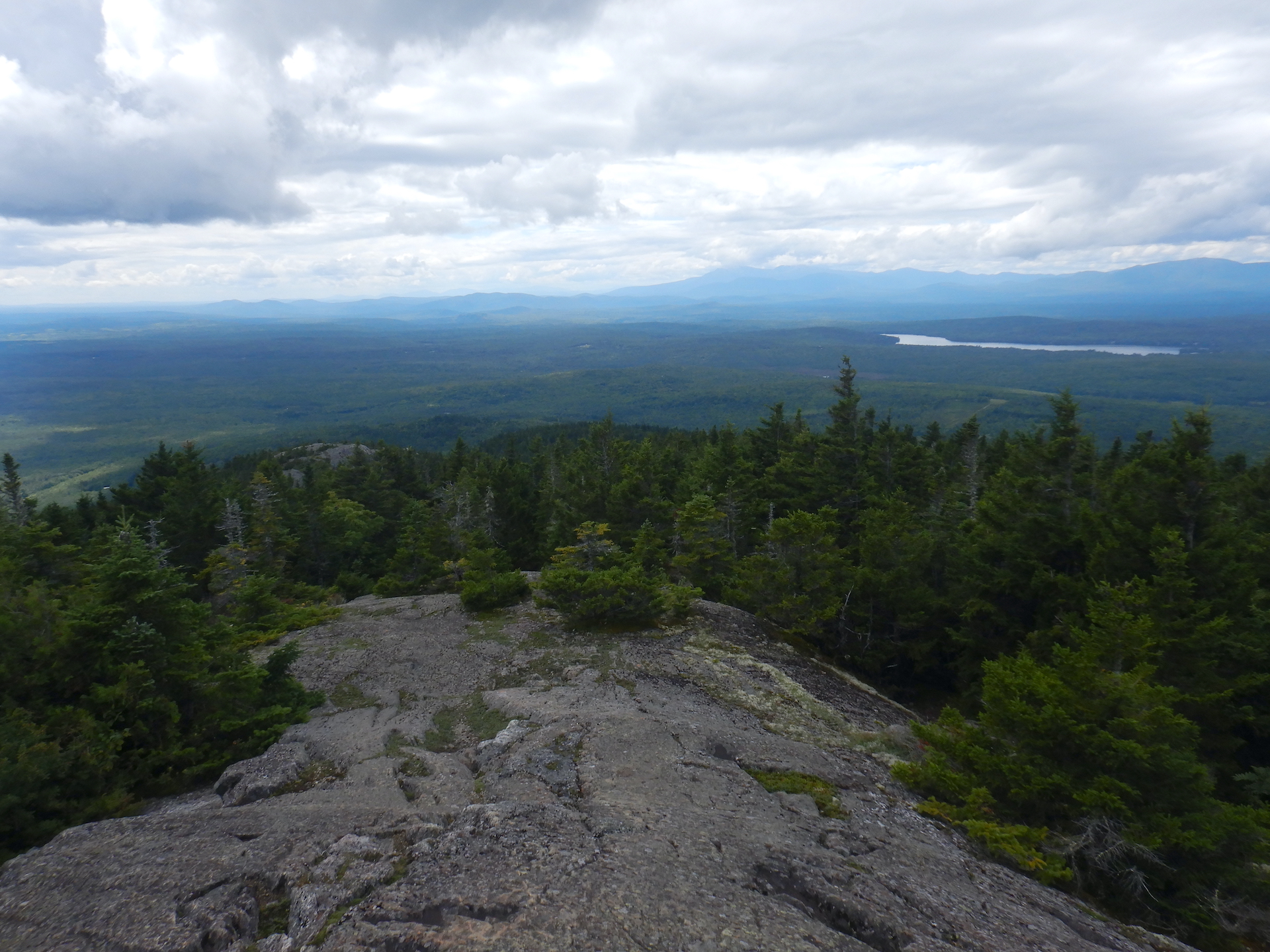
A quiet hike now that songbird nesting season is done. Only white-crowned sparrows sing in the summit area. The summer foliage has reached “tired green.” The work of photosynthesis as well as insect attacks have rendered the previously vibrant leaves a darker, less vibrant hue. I experienced a stressful week. Yet, I’m fortunate to have an escape for some brief solace.

September 24
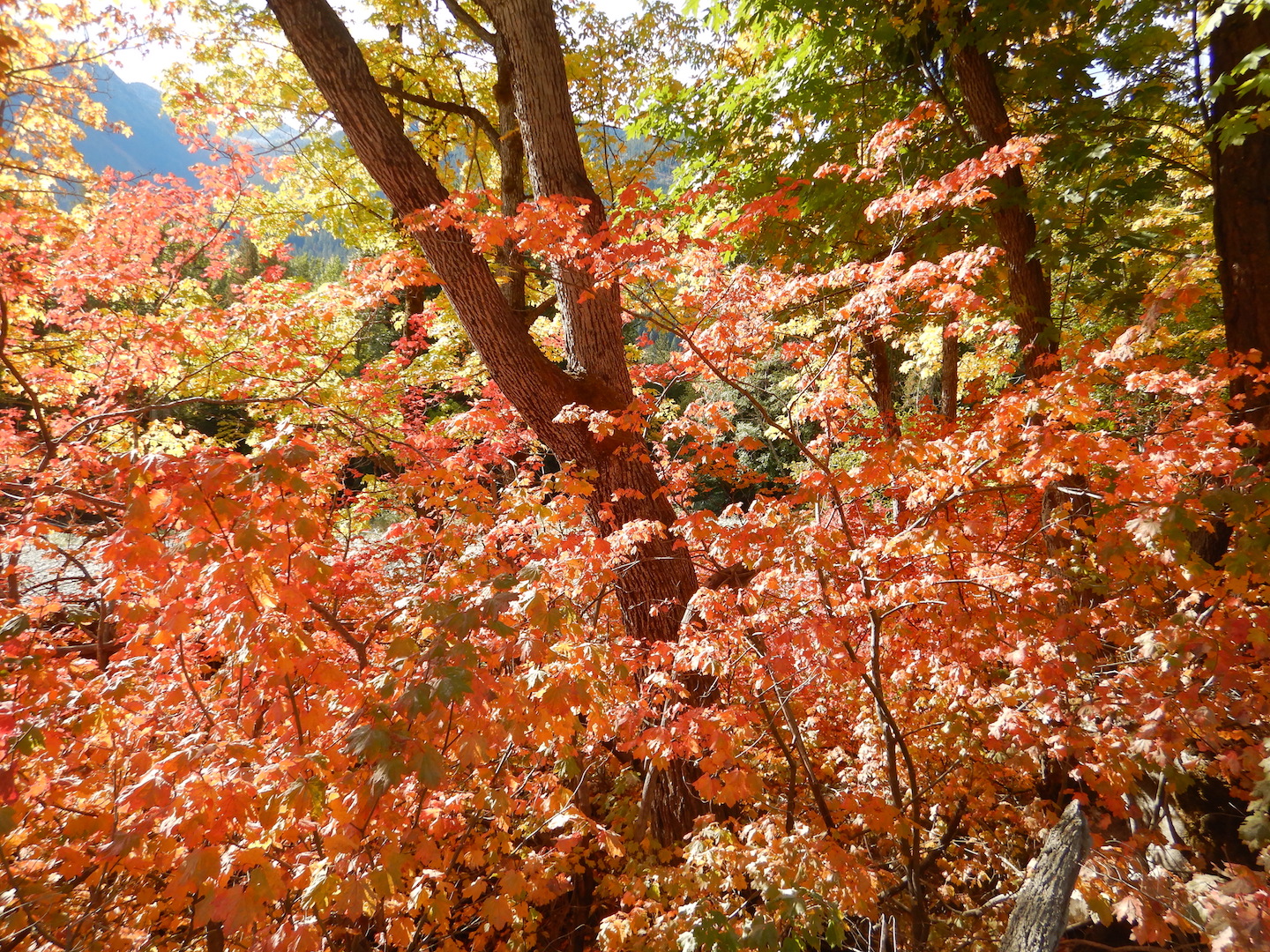
I discover (for myself) the remnants of a long abandoned cabin maybe 20 yards off the trail. It’s collapsed to its foundation. Still, I’m surprised by its presence. I walked by it many times previously without seeing it. The forest tends to make things disappear. Hazy conditions have returned to the area. A thick band of wildfire smoke clouds the north horizon and the mountains of Baxter State Park are mostly obscured. A few red-tailed hawks ride the thermals on the mountainside on their migration south. A raven family doesn’t tolerate their presence. They move to chase one of the soaring hawks. We’re approaching peak fall colors, although the colors are quite muted compared to normal.


October 18
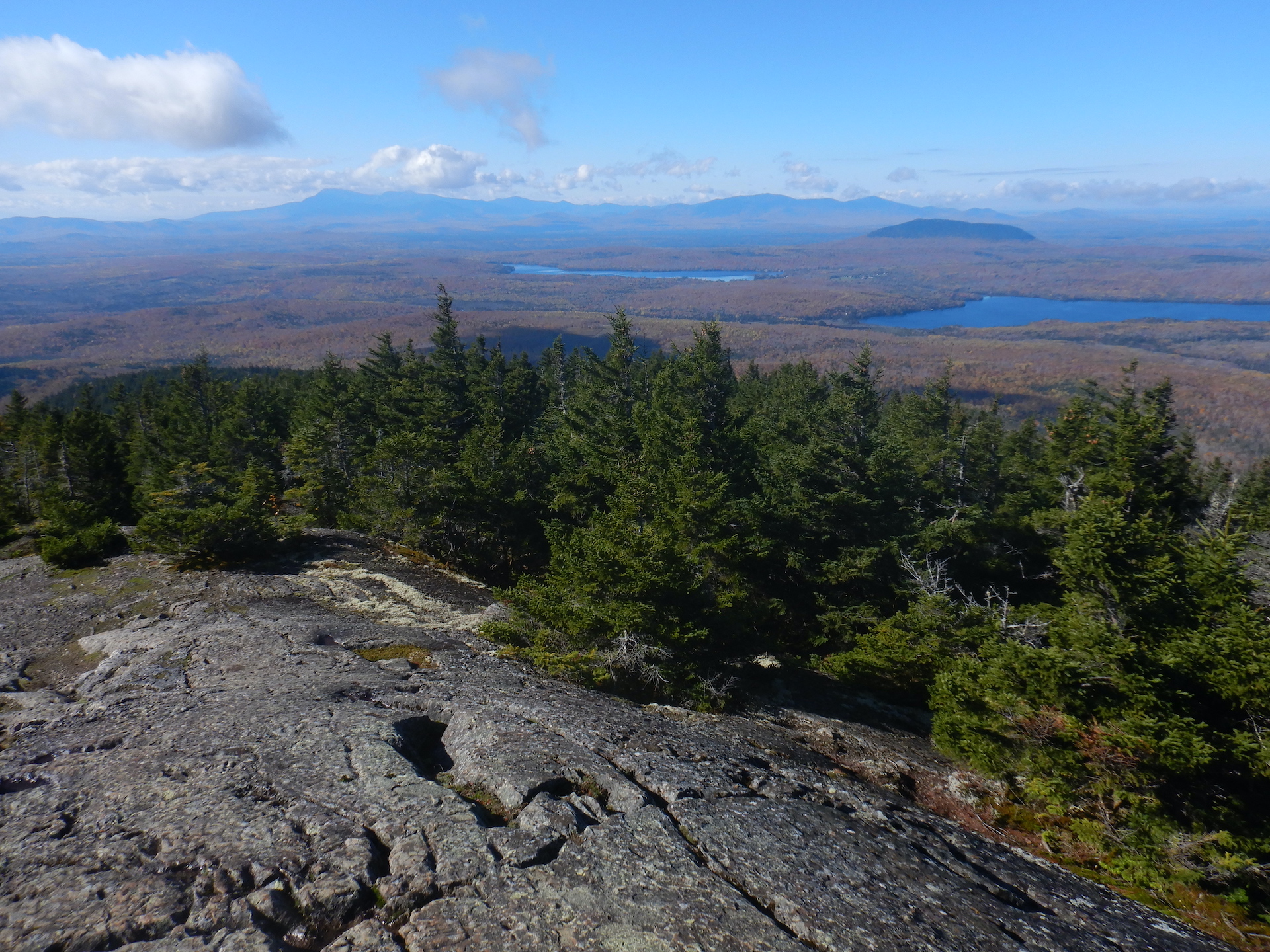
The forest trends brown. A solid layer of newly fallen leaves cloaks the forest floor. I somehow sleepwalk most of the way to the summit, a habit I’ve been trying to break for years with greater mindfulness. I find myself stopping to focus on my breath and immediate surroundings. Something distracted me, probably precipitated by a media culture that profits from distraction and rage-inducing social networks. It is possible to walk through a forest and not see it at all.

November 16
I begin at an alternative trailhead that I’ve used a few times this year. The route isn’t maintained. It’s nothing more than a decades-old skidder trail, but it is a quicker and more secluded course than the main trailhead. The year has been wetter than average, so water has consistently flowed over parts of the trail. Mid fall brought a prolonged stretch of dry weather though, and the trail is drier than it has been over the entire year. Winter will soon be here. The canopy is bare. Patchy snow sits in the shady areas of the mountain’s spruce-fir forest.


December 8, 2023
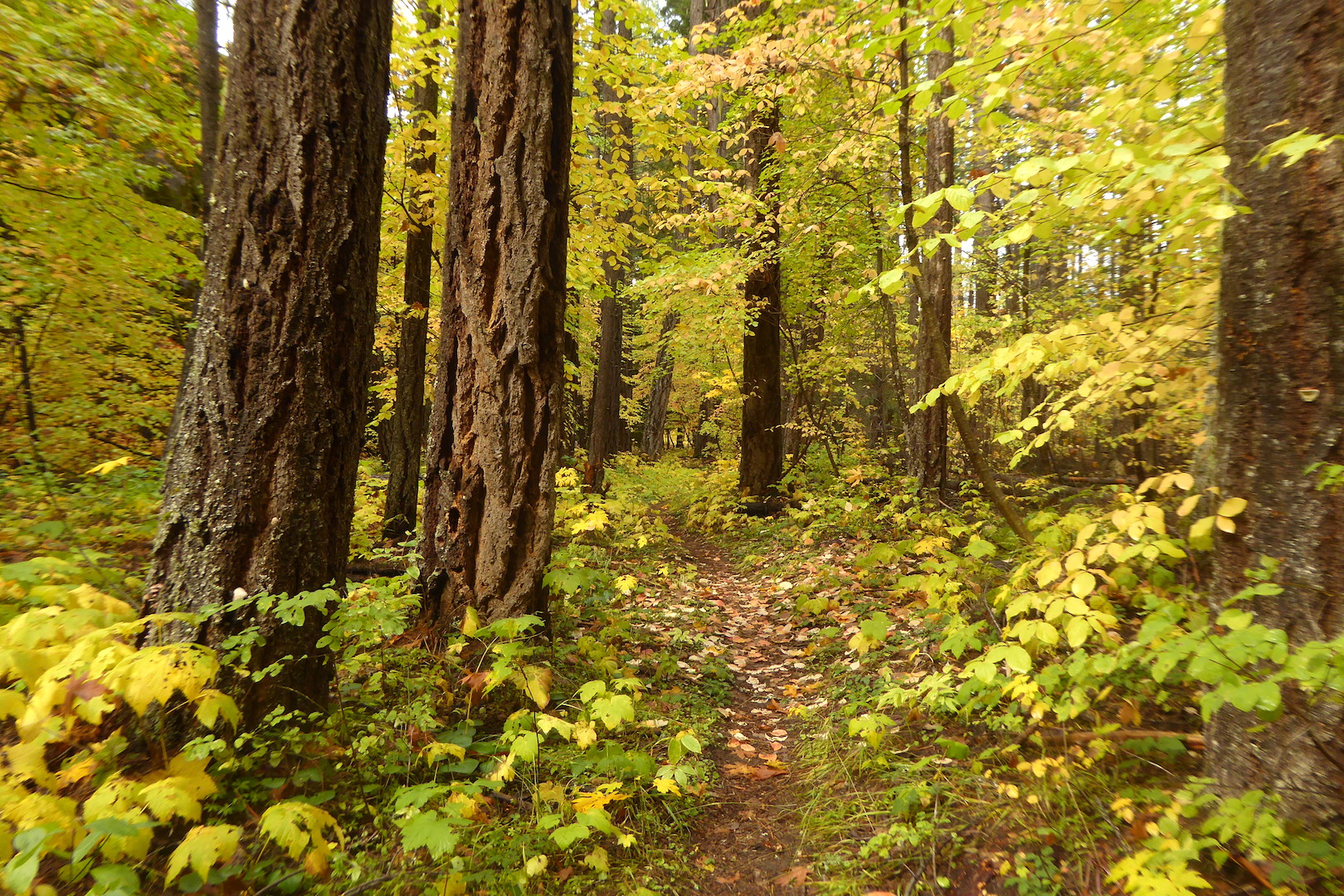
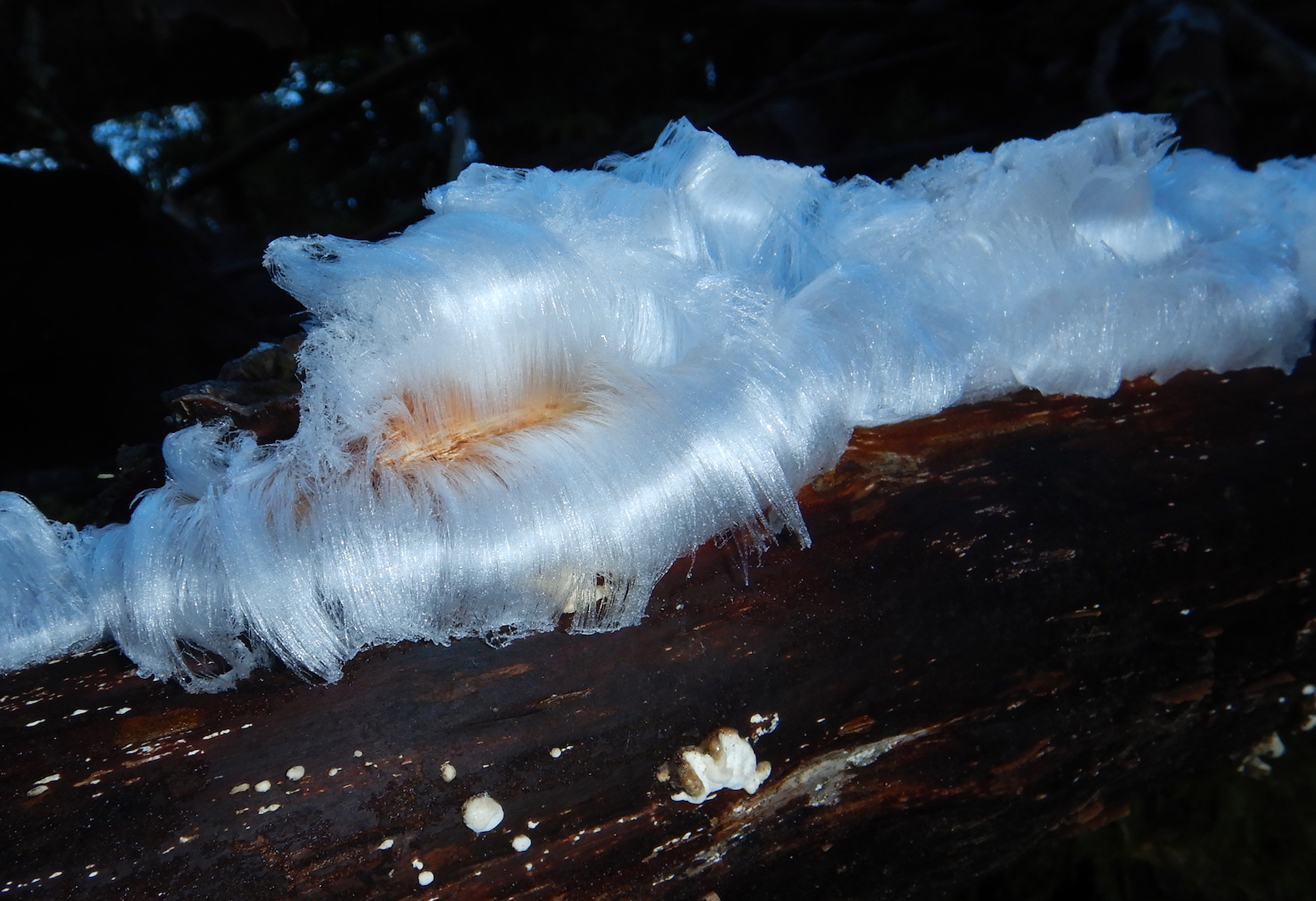
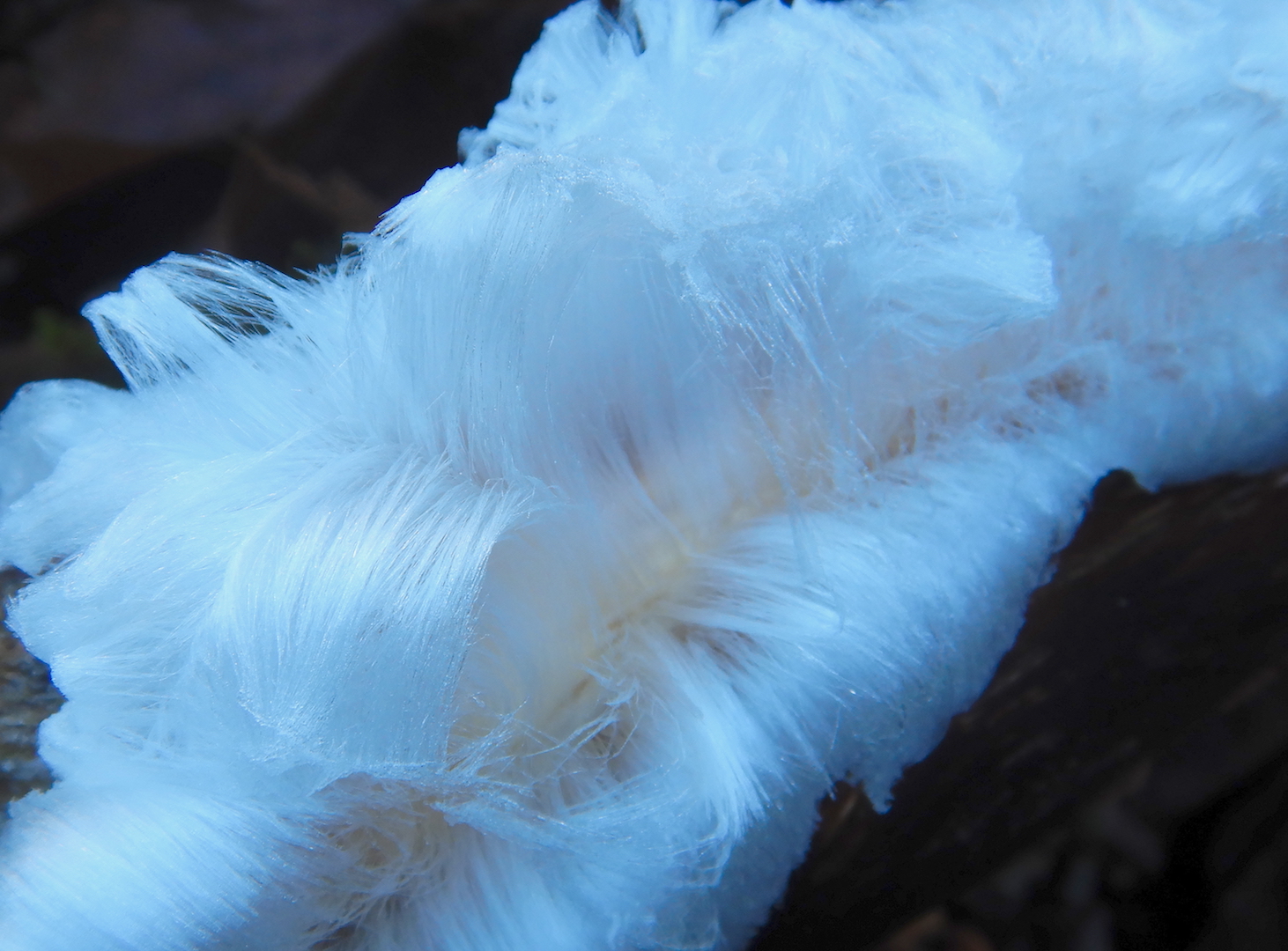
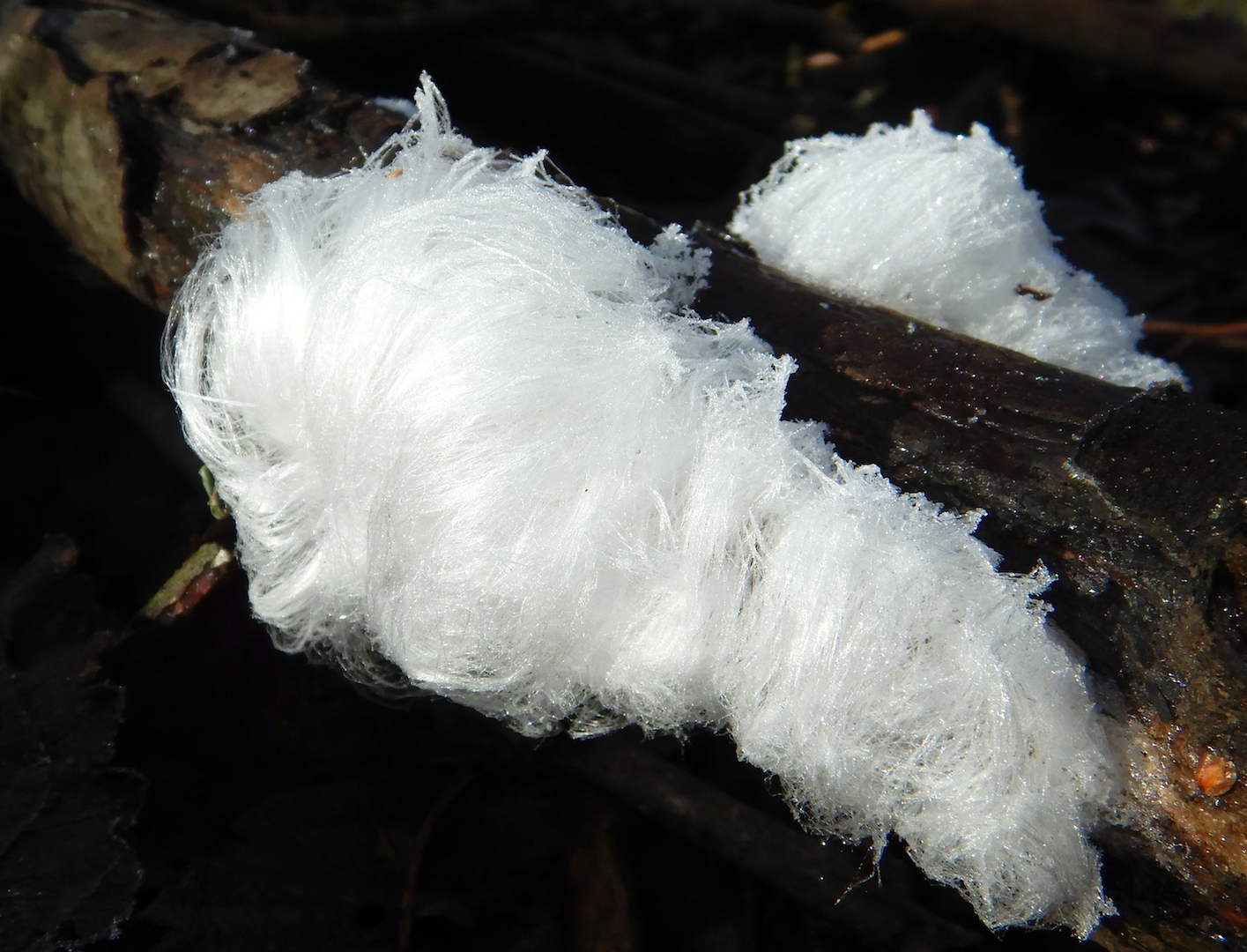
Winter is a time of dormancy for many life forms, although it brings vibrancy in other ways. None of the previous trips were as beautiful or as quiet. Several inches of snow coat the ground at low elevations and about 12 inches linger higher on the mountain. No human footprints are discernible on the trail. Snow and hoarfrost cover the conifers like cake icing. The landscape appears clean in a way that I don’t find in spring, summer, and fall.
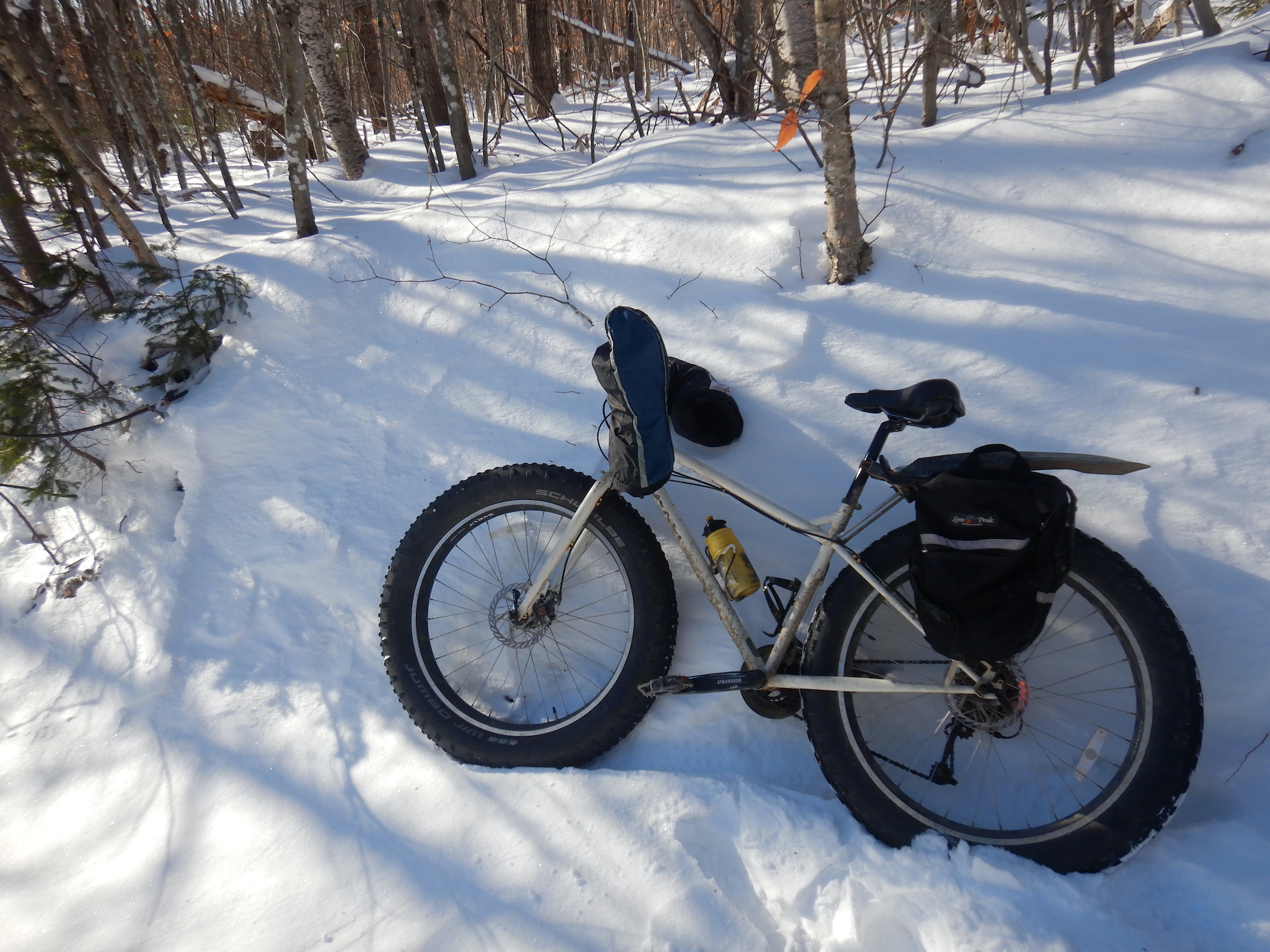
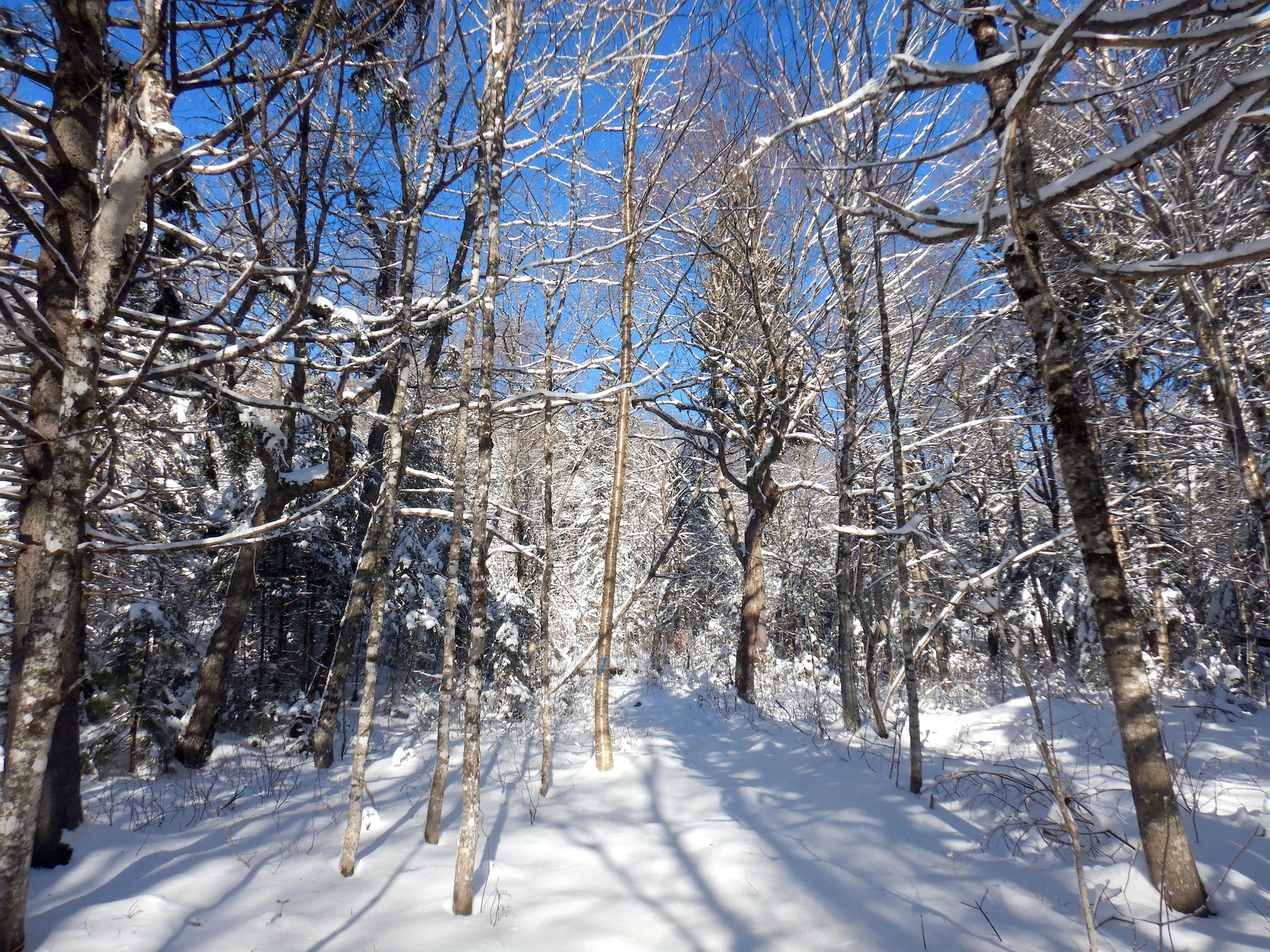
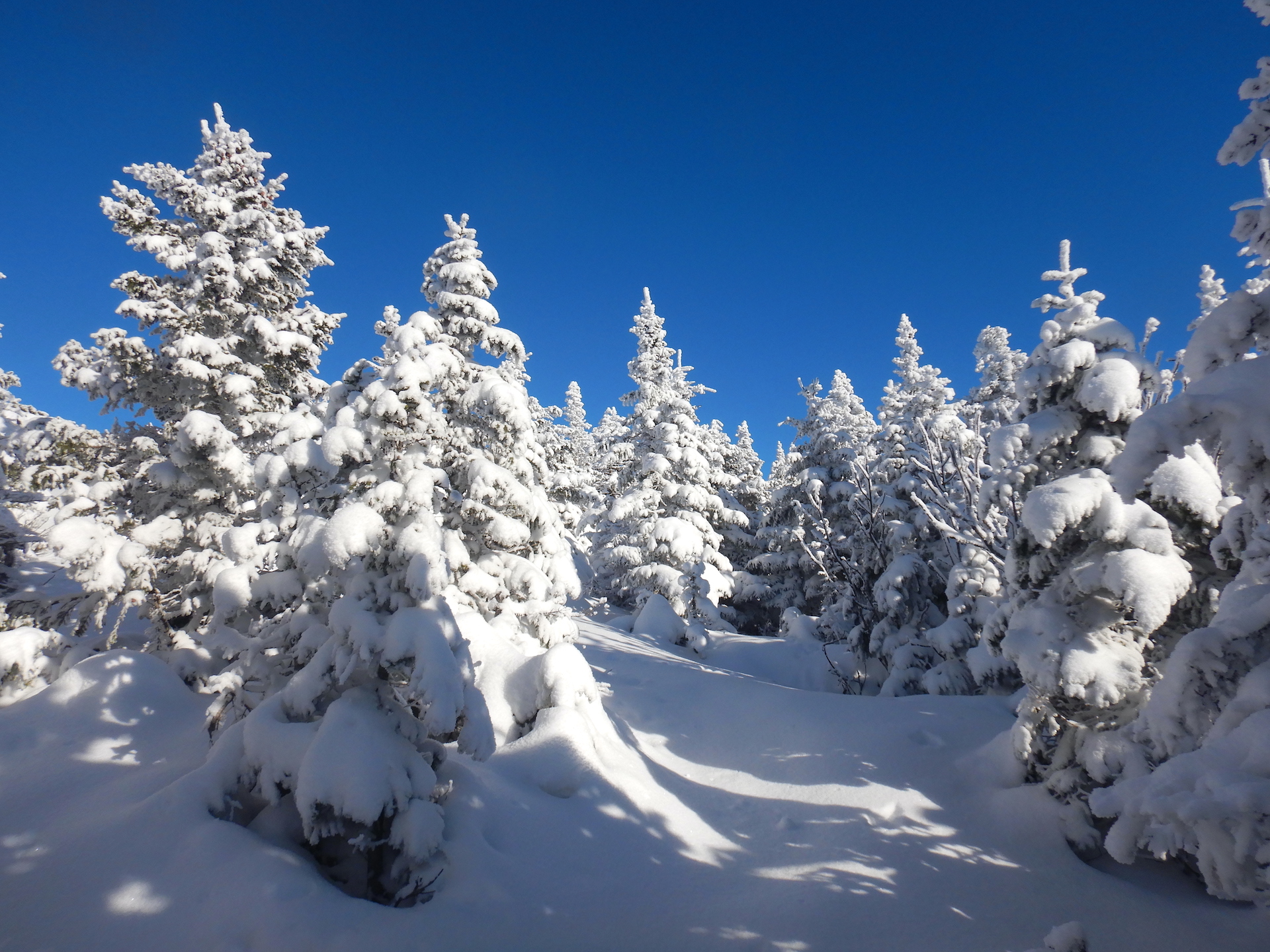
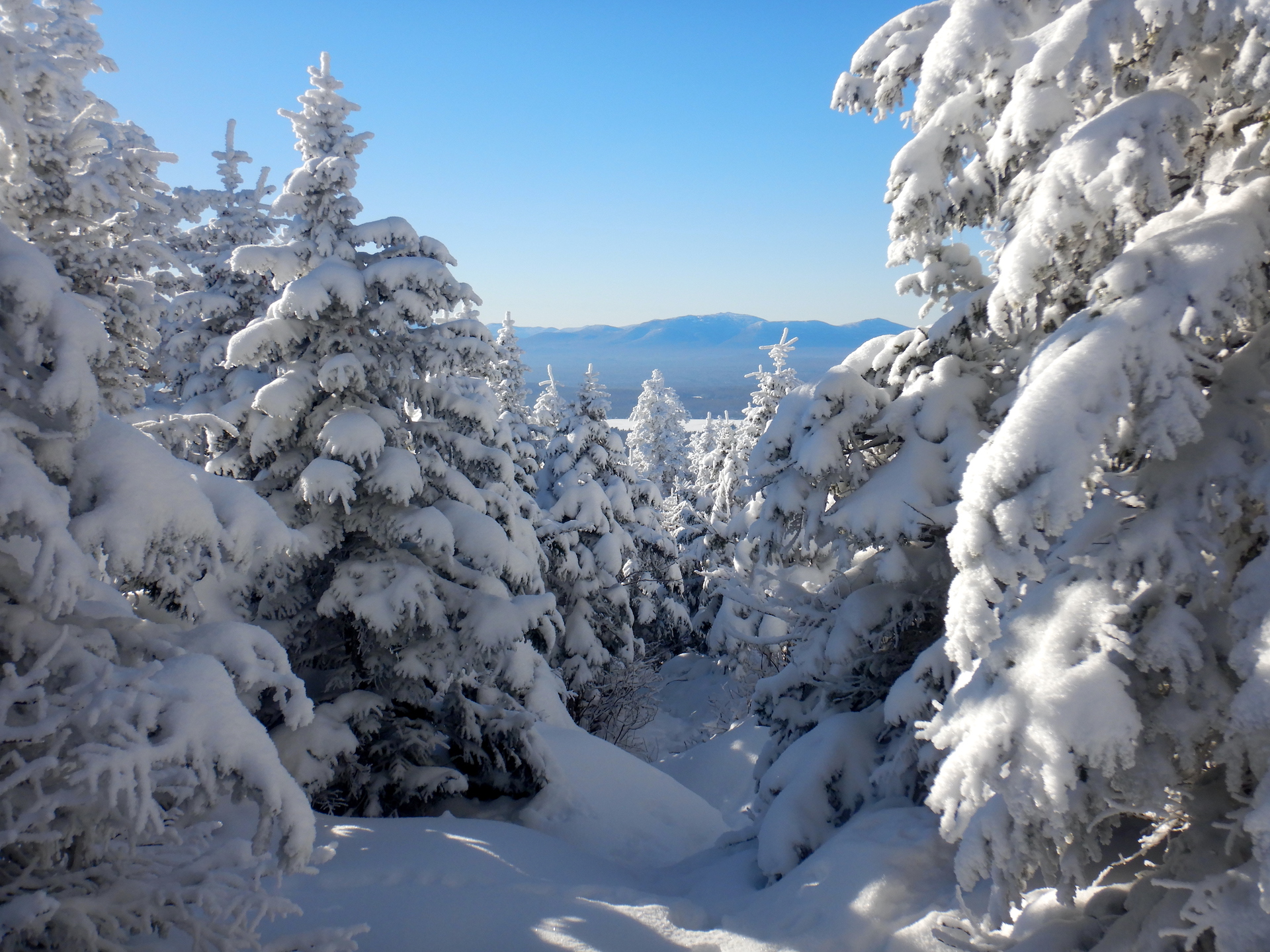
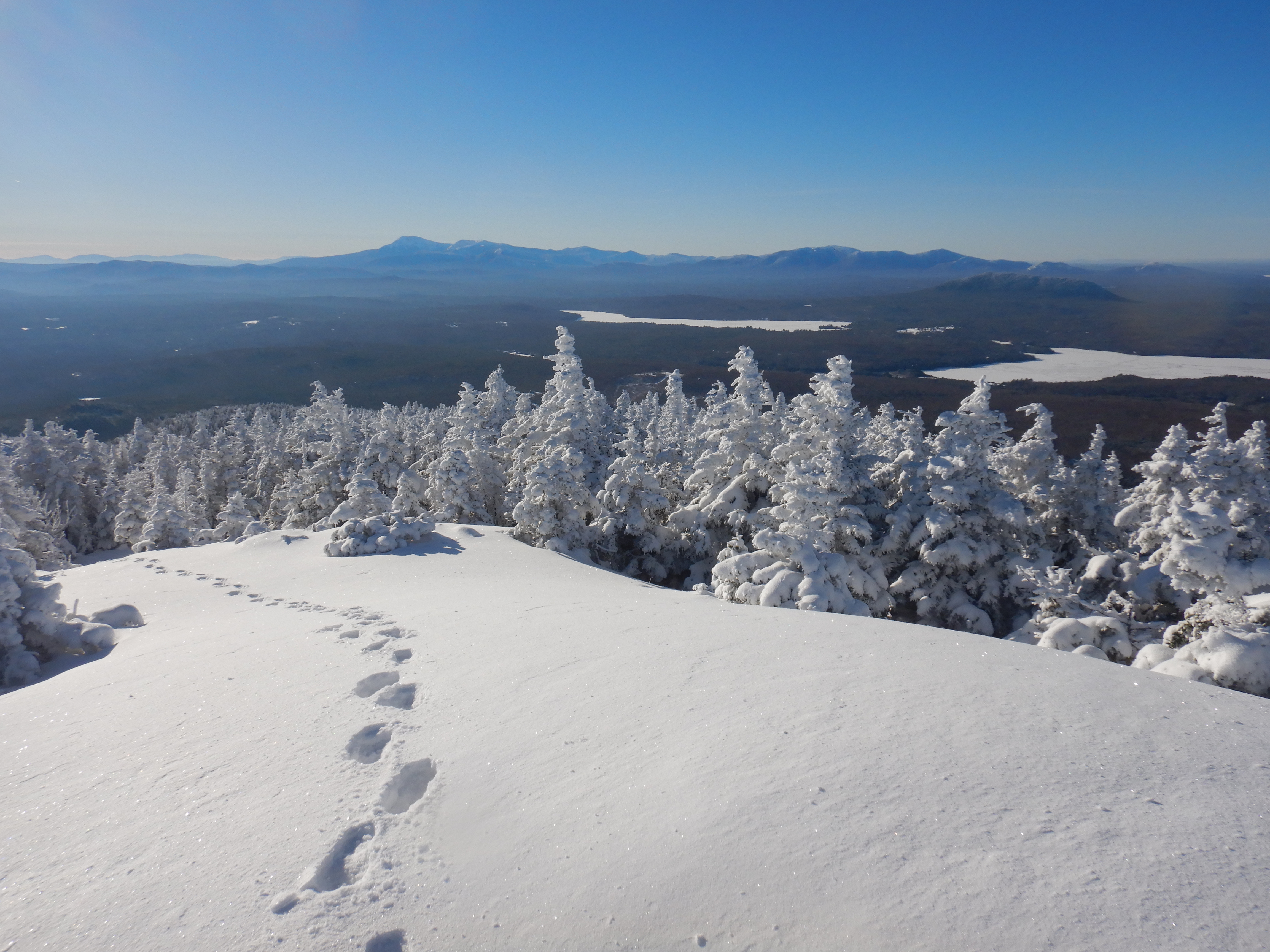
Time spent in the forest is never wasted and every moment offers the potential to discover new perspectives. I’m no closer to profound insights after thirteen trips to the summit of Mount Chase, although I’ve walked away with a greater appreciation for the mountain’s rhythms. The experience is both the same and vastly different every time.















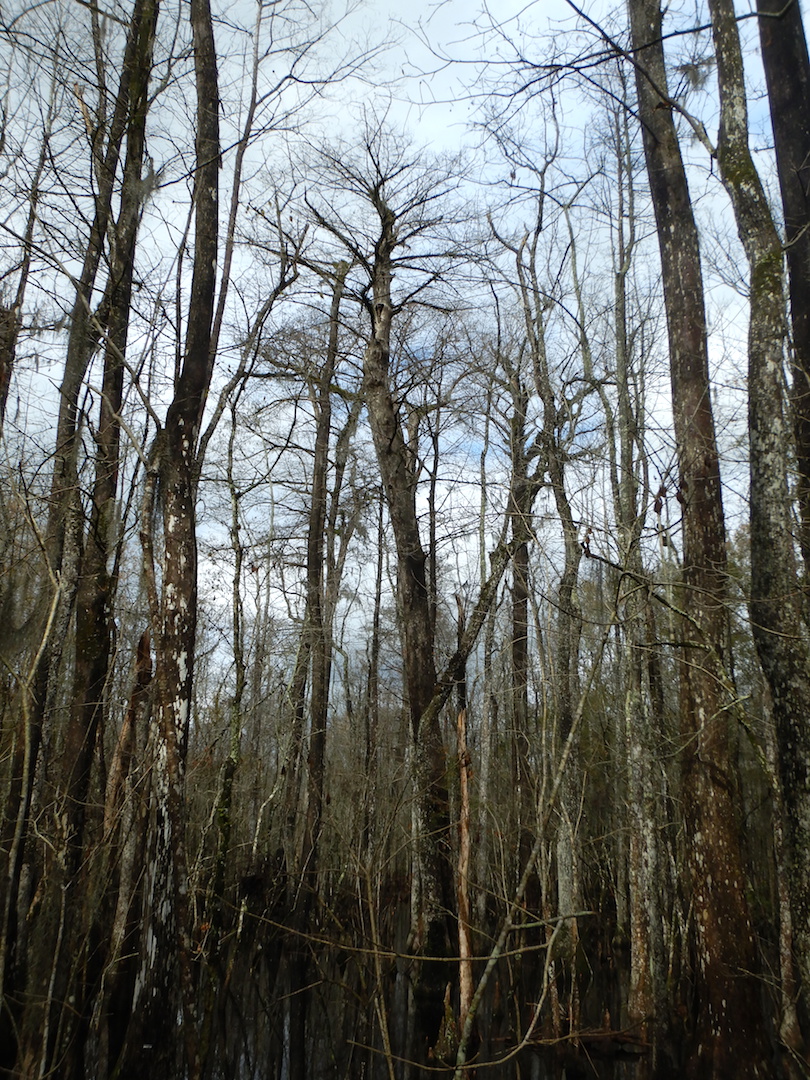
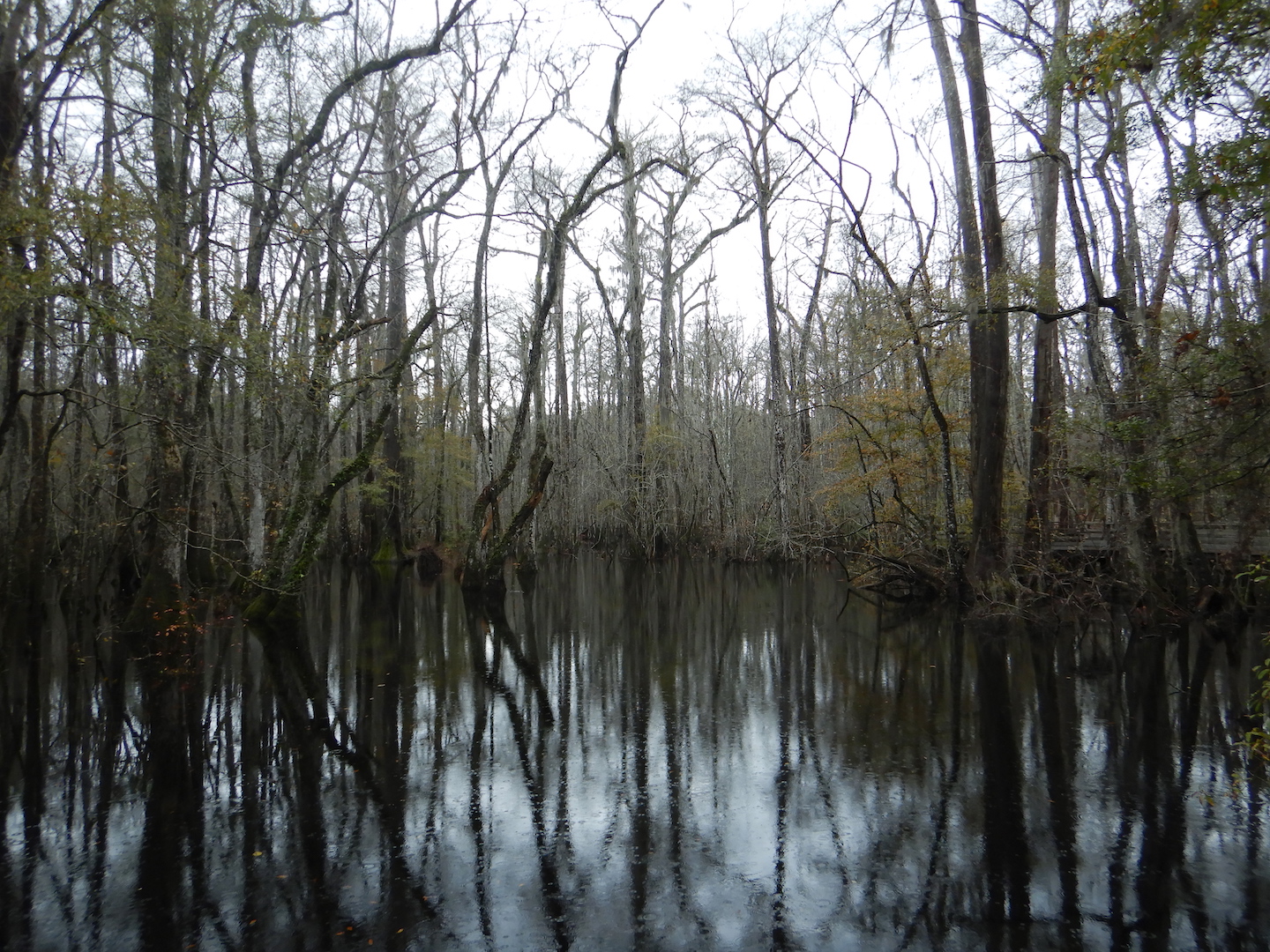 Bald cypress swamps experience seasonal flooding, and when I visited in mid December the forest was covered in a blanket of tea-colored water stained brown by tannins. The day was relatively warm and temperatures reached above 60˚ F. A few turtles and snakes took the opportunity to climb out of the water and sun themselves on fallen logs. My attention, however, was consistently drawn to the canopy and the craggy tops of centuries- and millennium-old bald cypress trees.
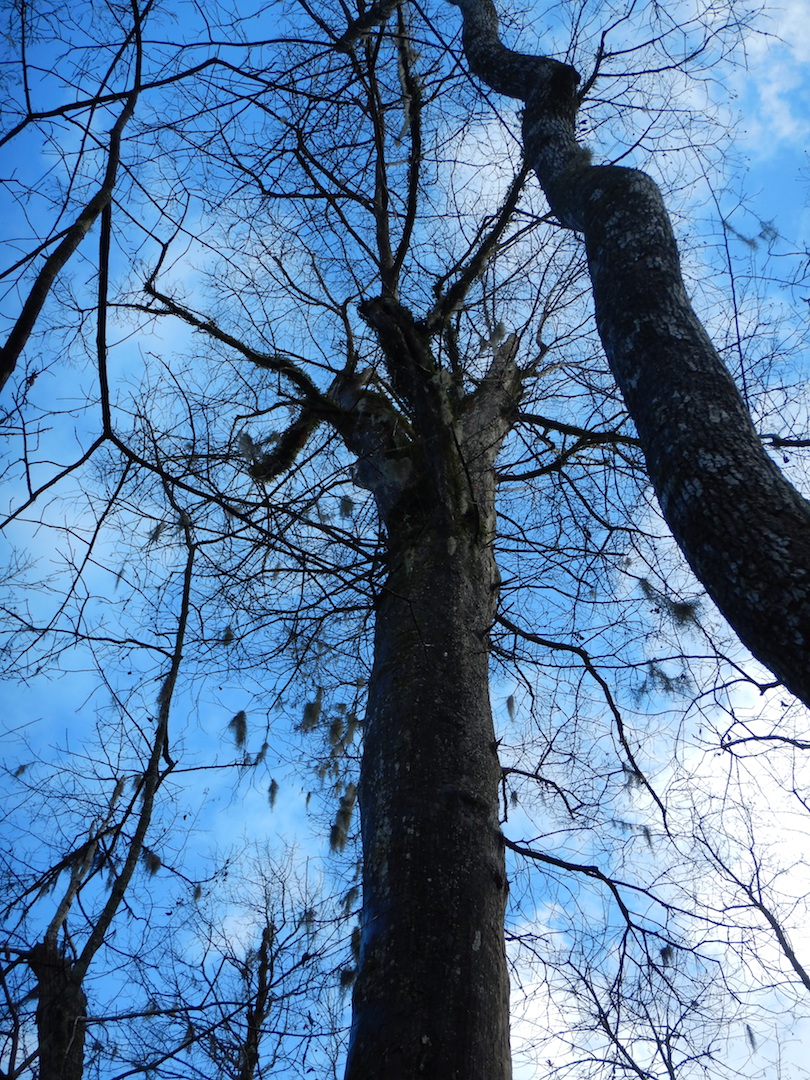 Bald cypress is one of the longest-lived trees in North America and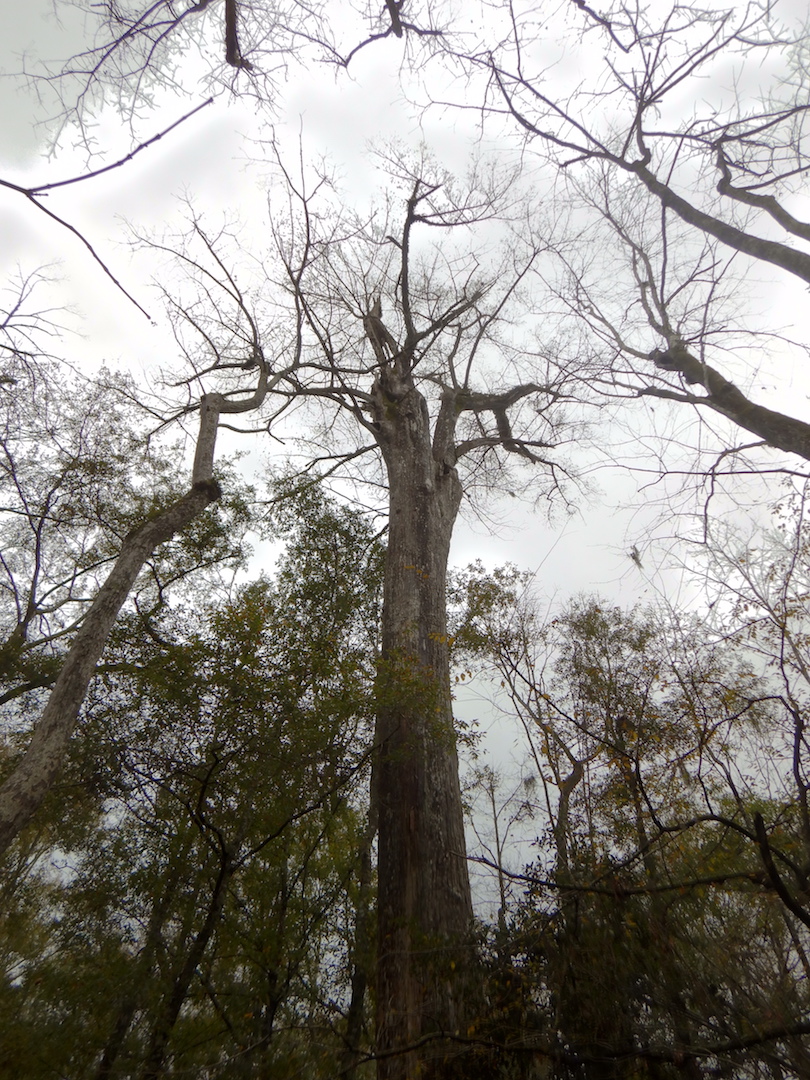
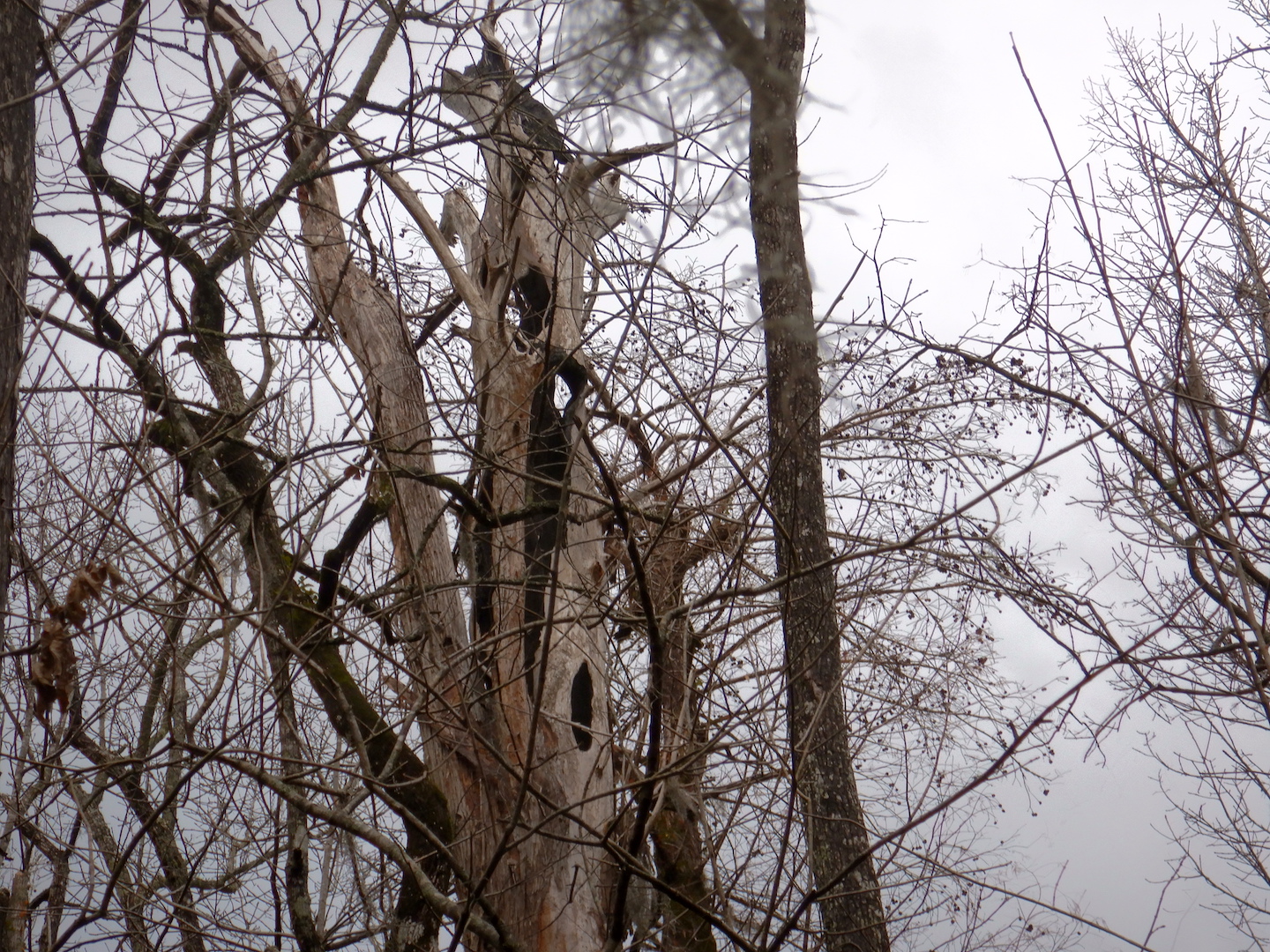
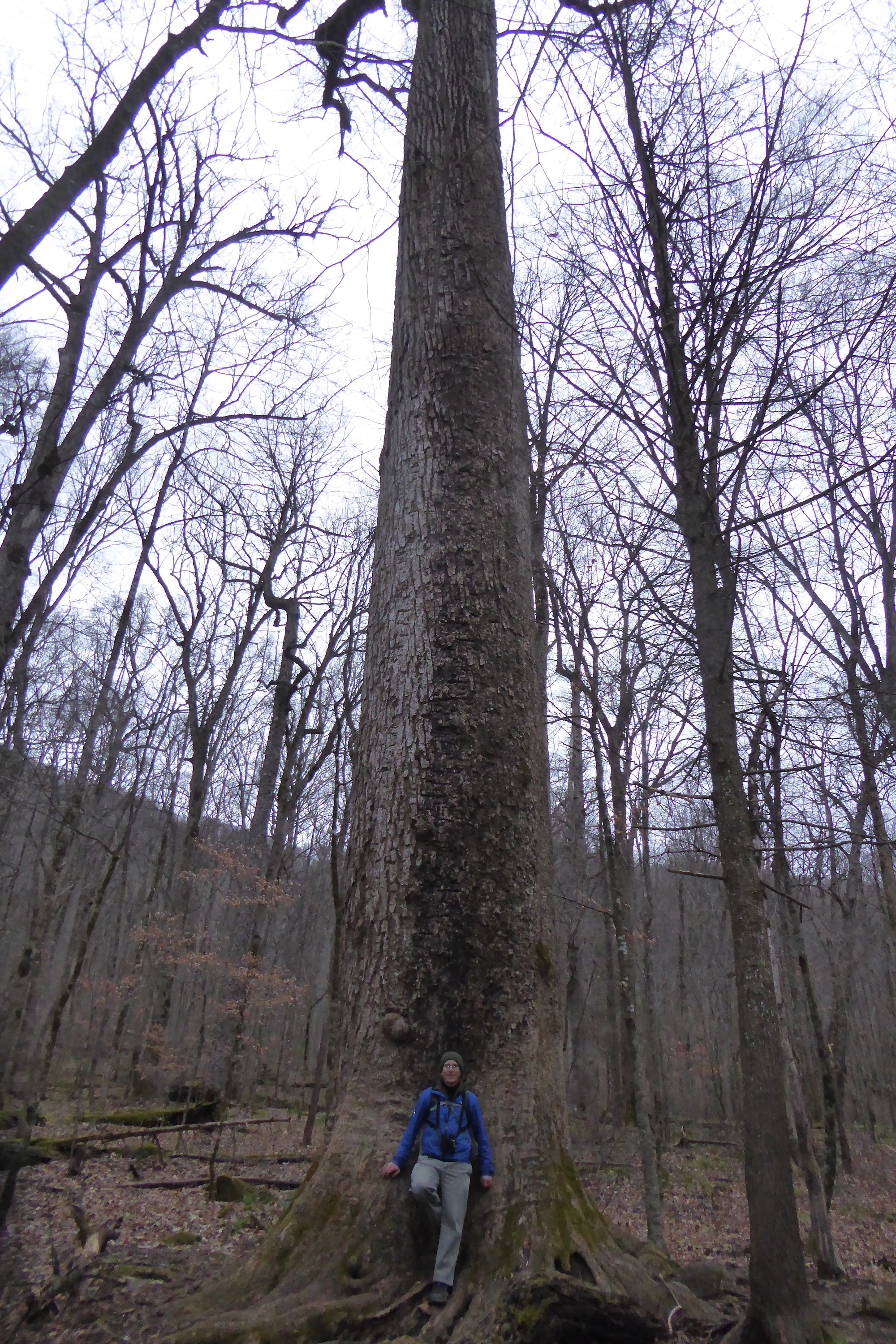
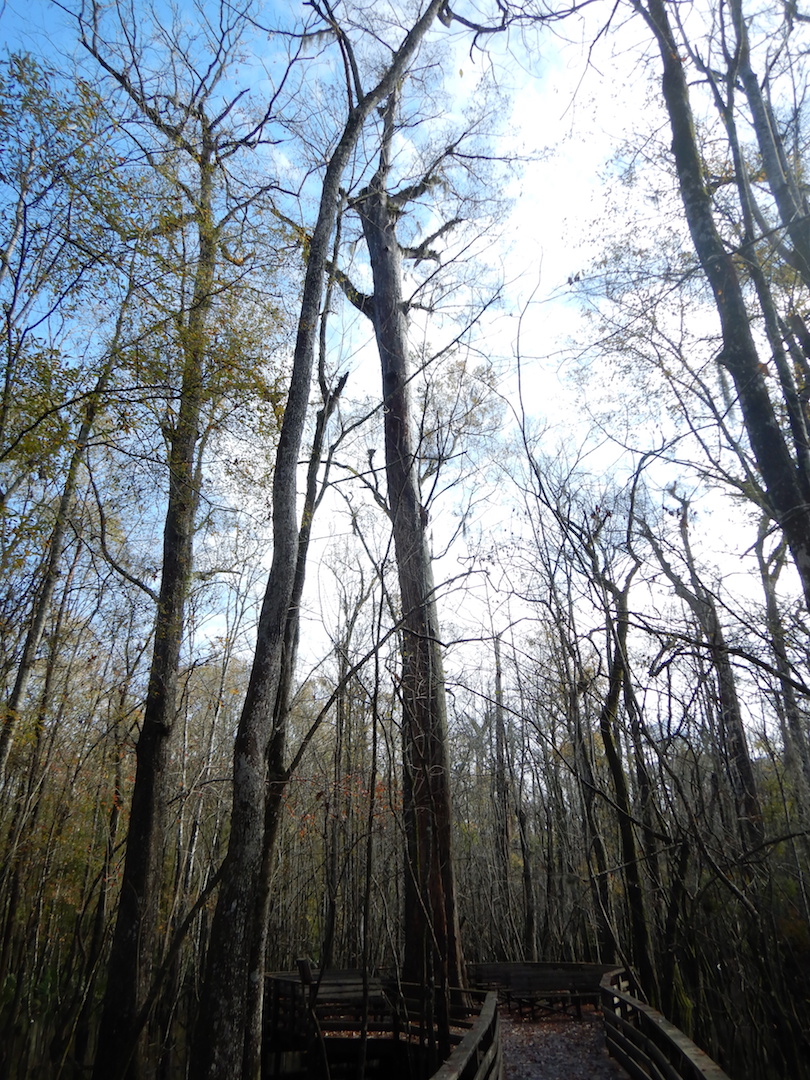 When you live to be over 1,000 years old you’re bound to acquire a scar or two. Reaching over 100 feet high, each bald cypress carries a legacy of the battles with insects, fire, and severe weather like thunderstorms, tornados, and hurricanes.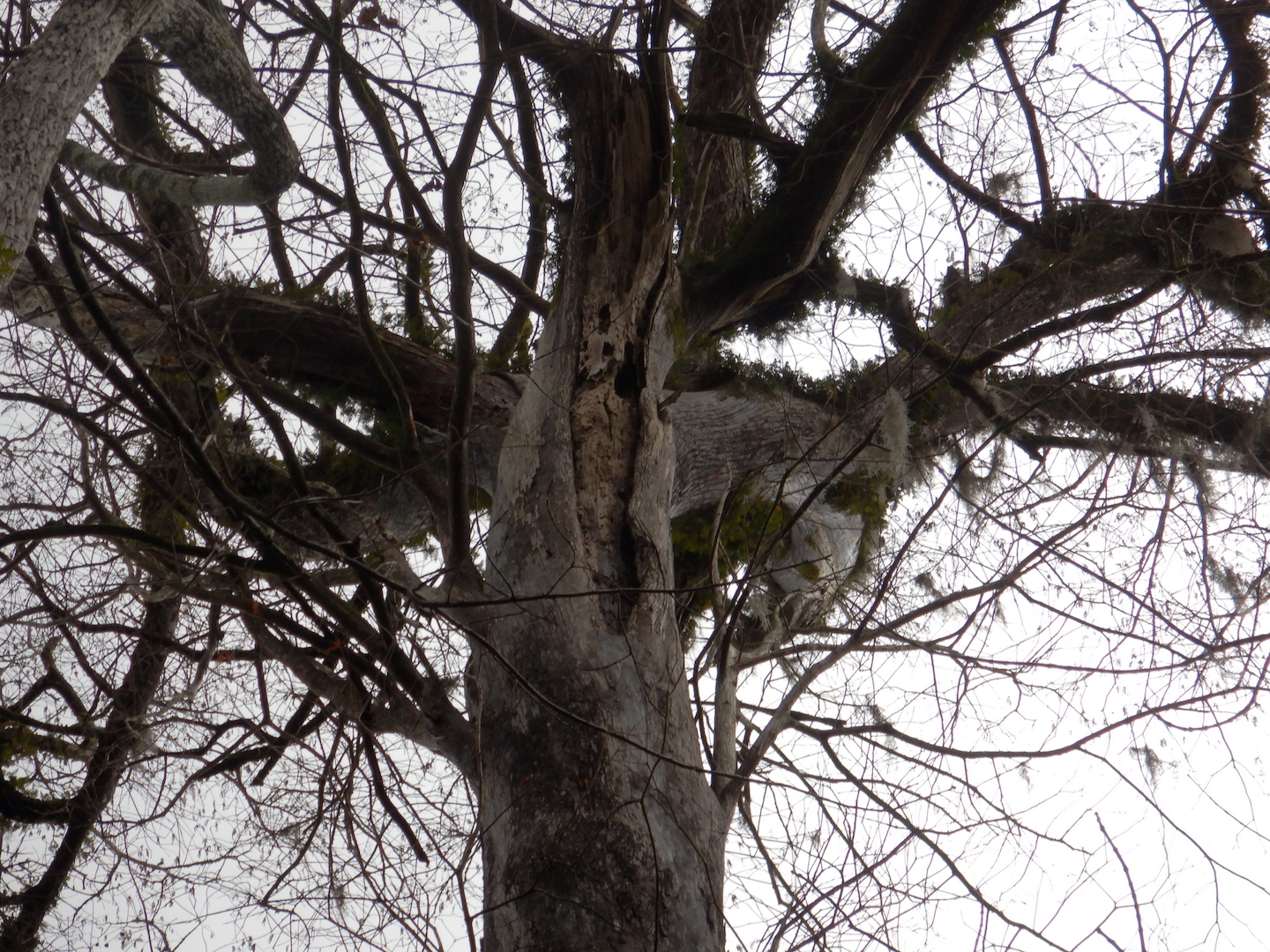


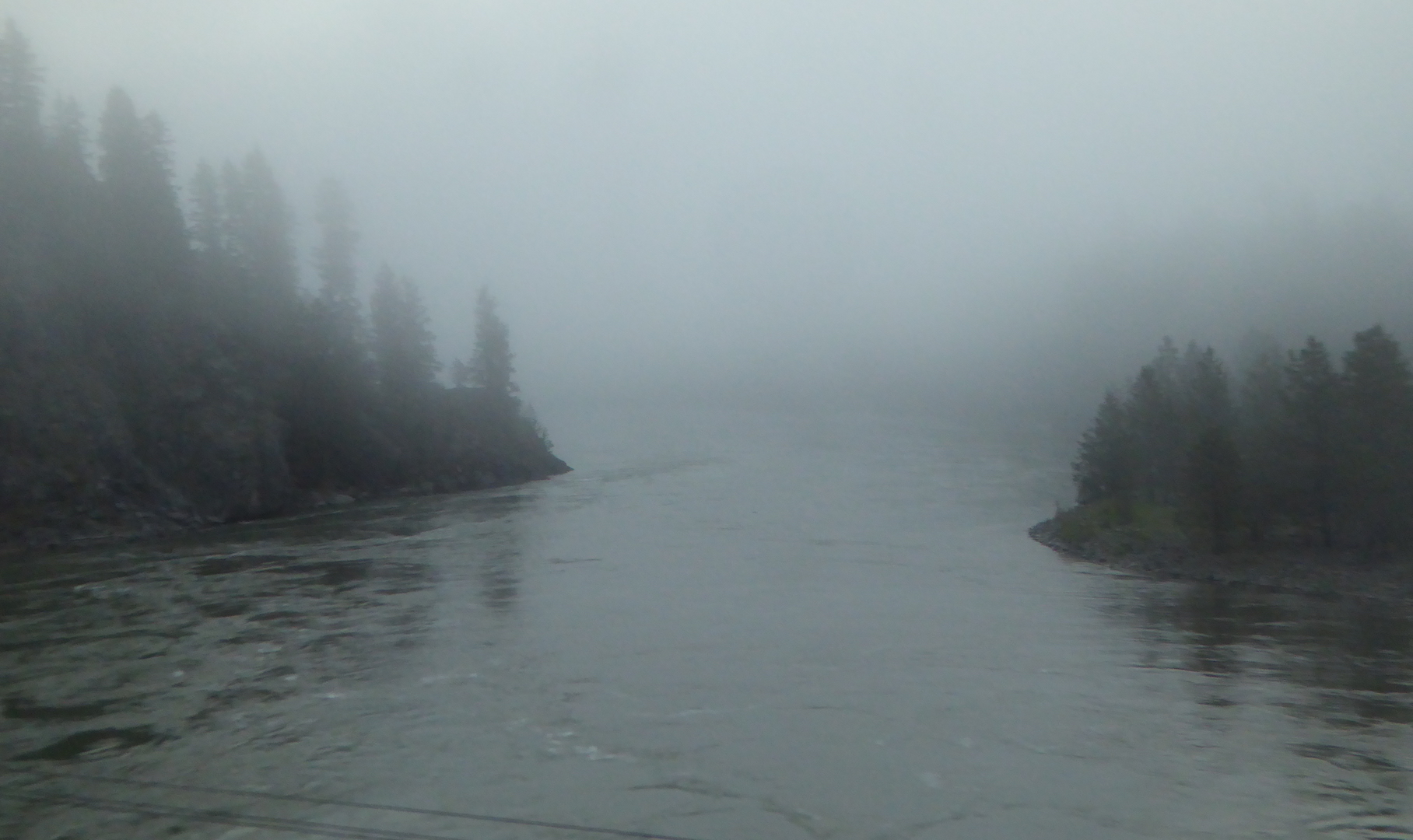 The train soon left the Kootenai River and passed through the Salish Mountains to the Flathead River valley. After Whitefish, Montana we began a slow climb toward the continental divide. Along the middle fork of the Flathead River, between Glacier National Park to the north and the Great Bear Wilderness to the south, lies one of the most scenic stretches of rail on the route. Every bend provided new views of the snow-capped mountains bounding the narrow valley.
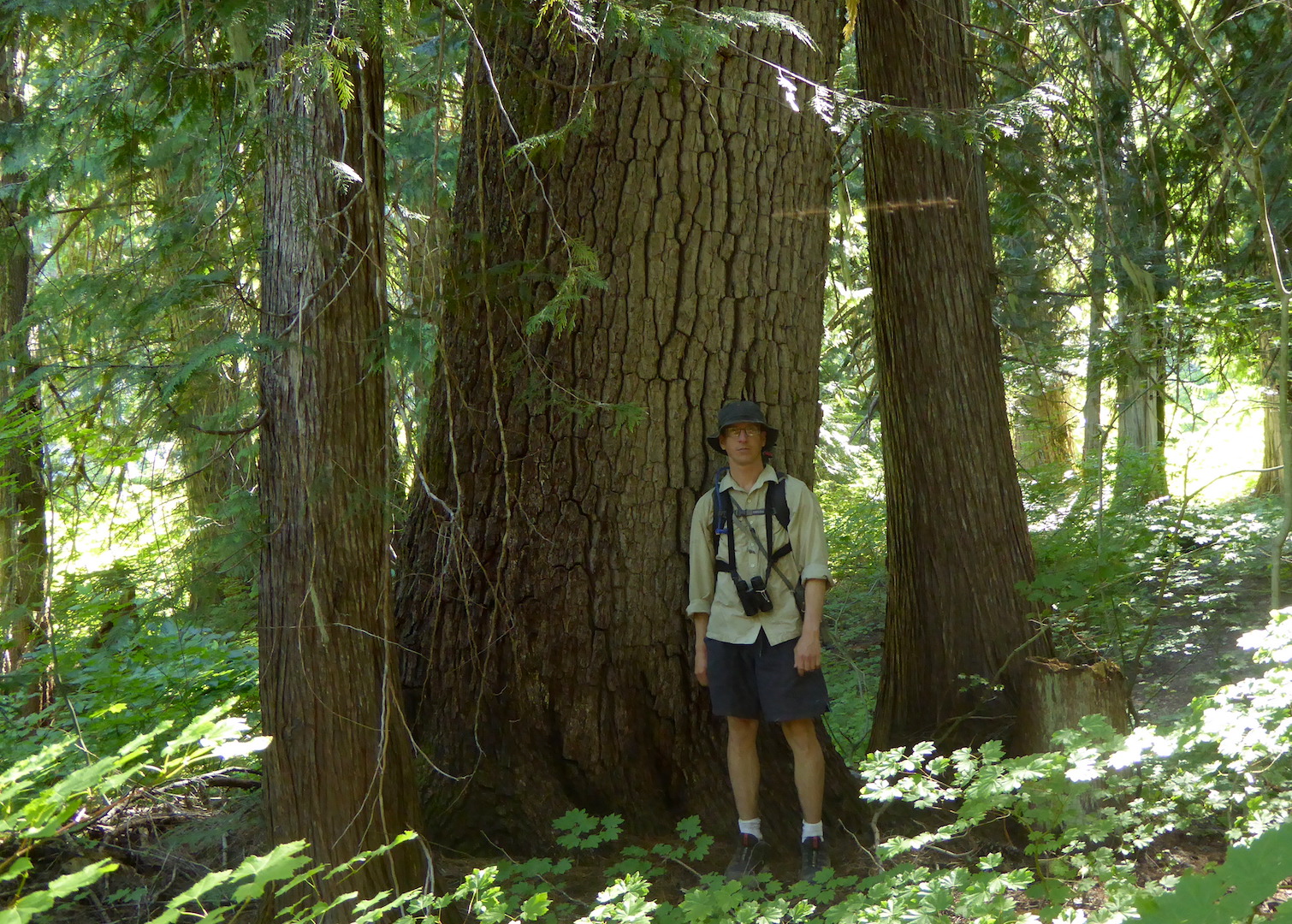
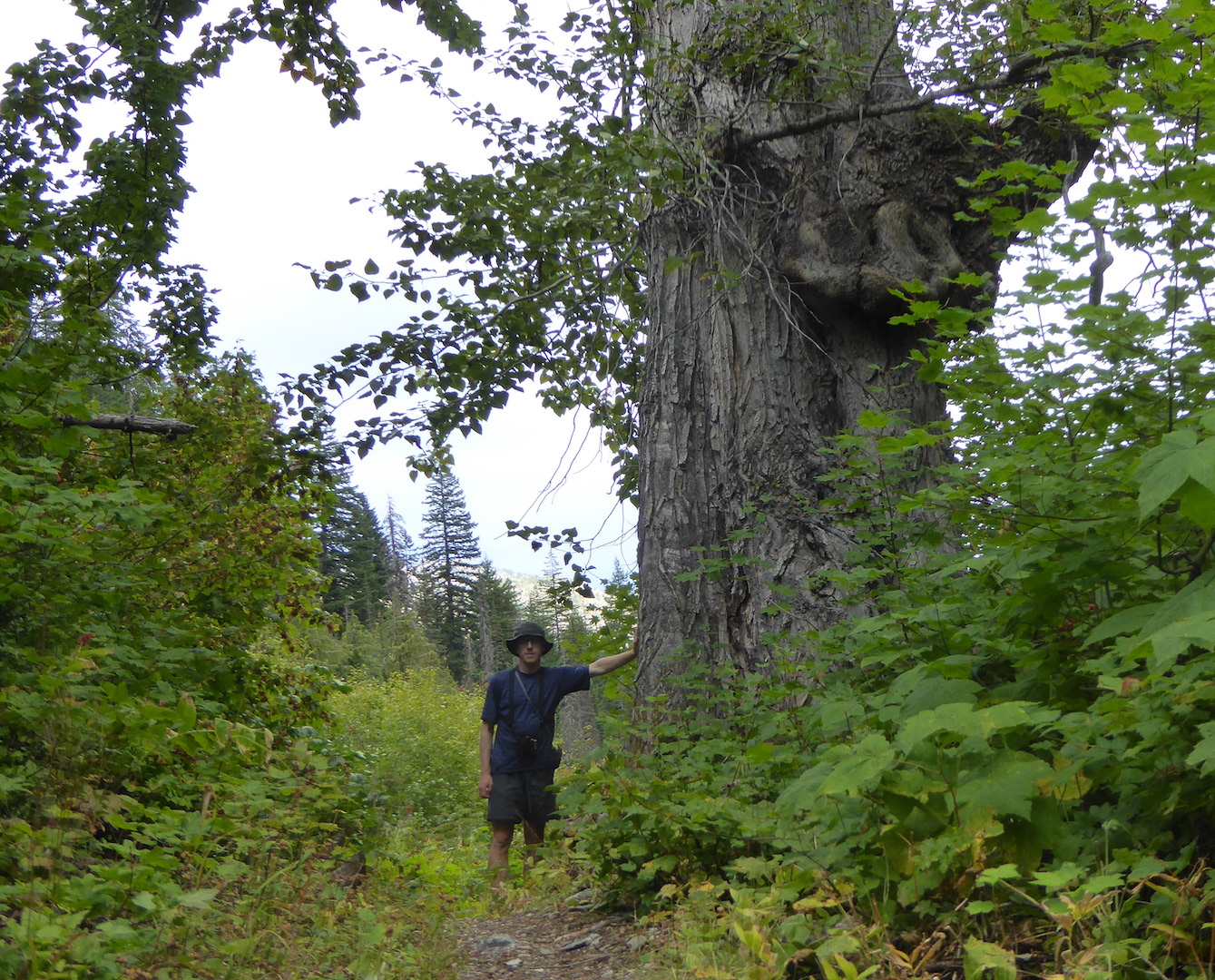
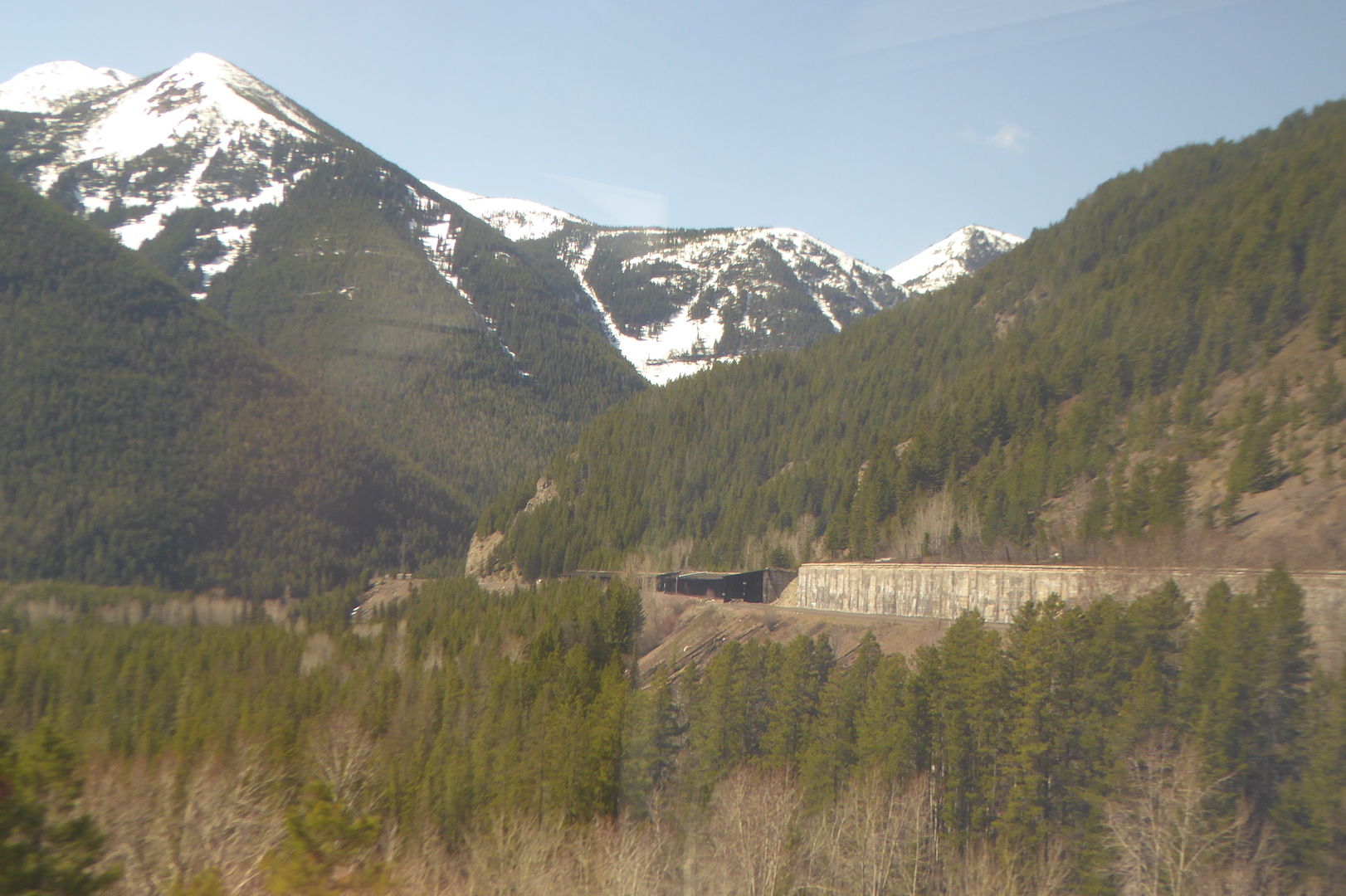 While I enjoyed the mountain scenery, for me the real highlight of this section was the stark contrasts in vegetation and climate. The low valleys on the west side Glacier National Park capture enough precipitation to support the growth of species also found within the wet forests Washington’s Cascades. At West Glacier I caught glimpses of the some of the eastern-most stands of western red-cedar (Thuja plicata). This species, you could say, likes it feet wet and it won’t grow where soil moisture is too low. In this part of North America, a lack of suitable habitat squeezes the red-cedars into narrower and narrower confines, and it quickly disappeared as we traveled east.
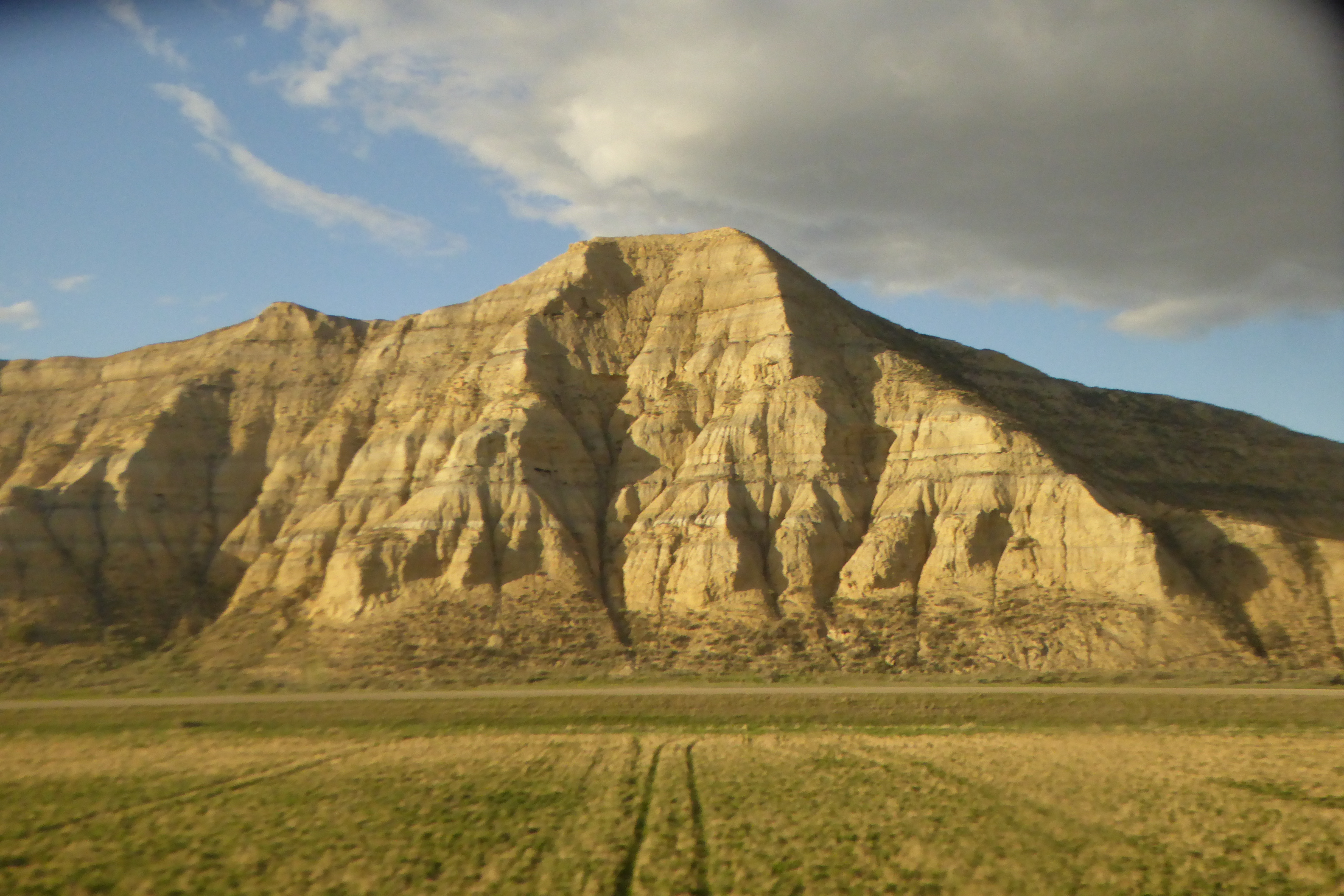
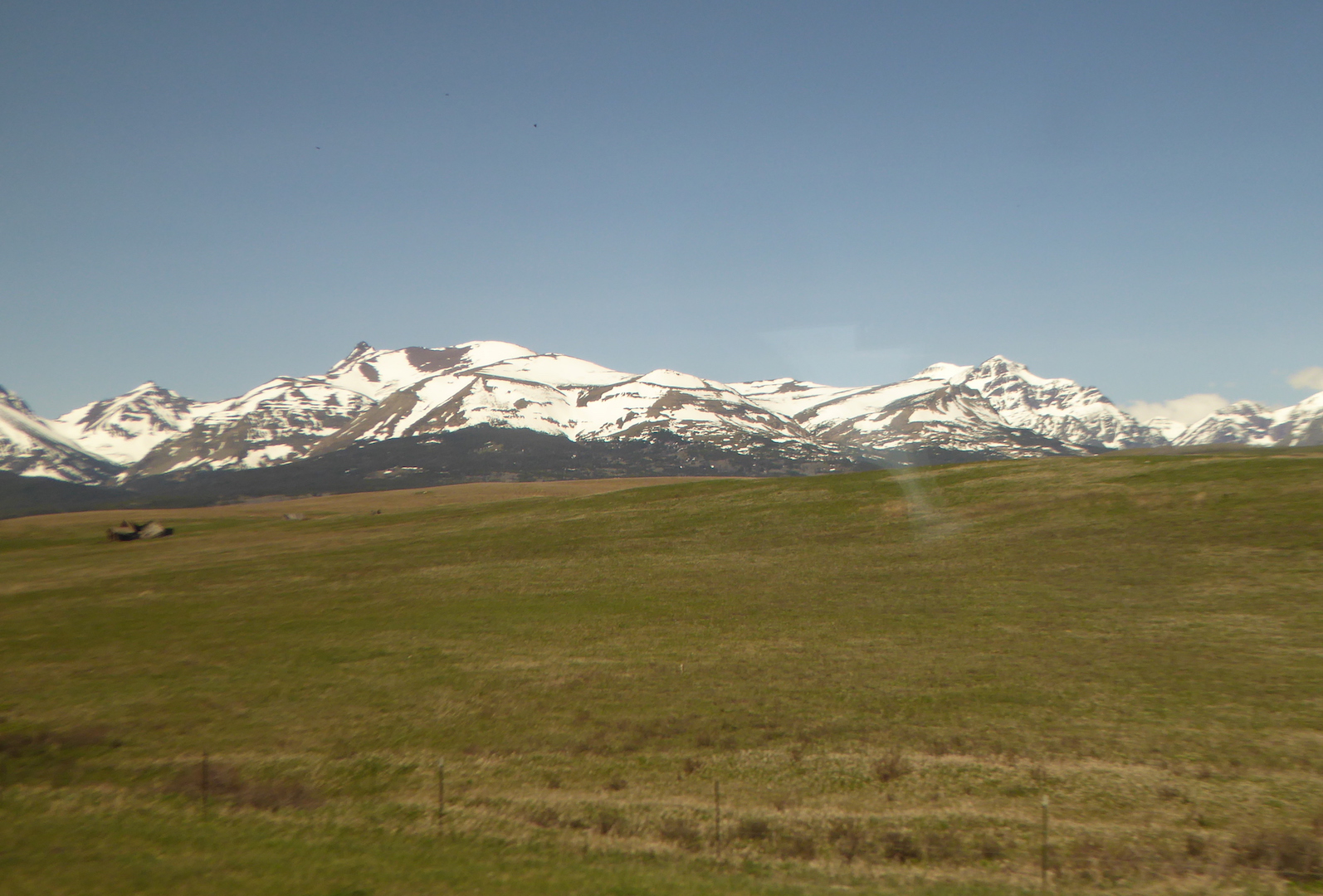 Like the Cascades, the Rocky Mountains create a strong rain shadow across northwestern Montana. Browning, MT, east of the mountains, receives only half the precipitation of West Glacier. For the next thousand miles across Montana and North Dakota prairie dominated where the land was not cultivated or otherwise appropriated by people. The only trees were either planted or grew along creek and river bottoms where their roots could tap into a shallow water table.
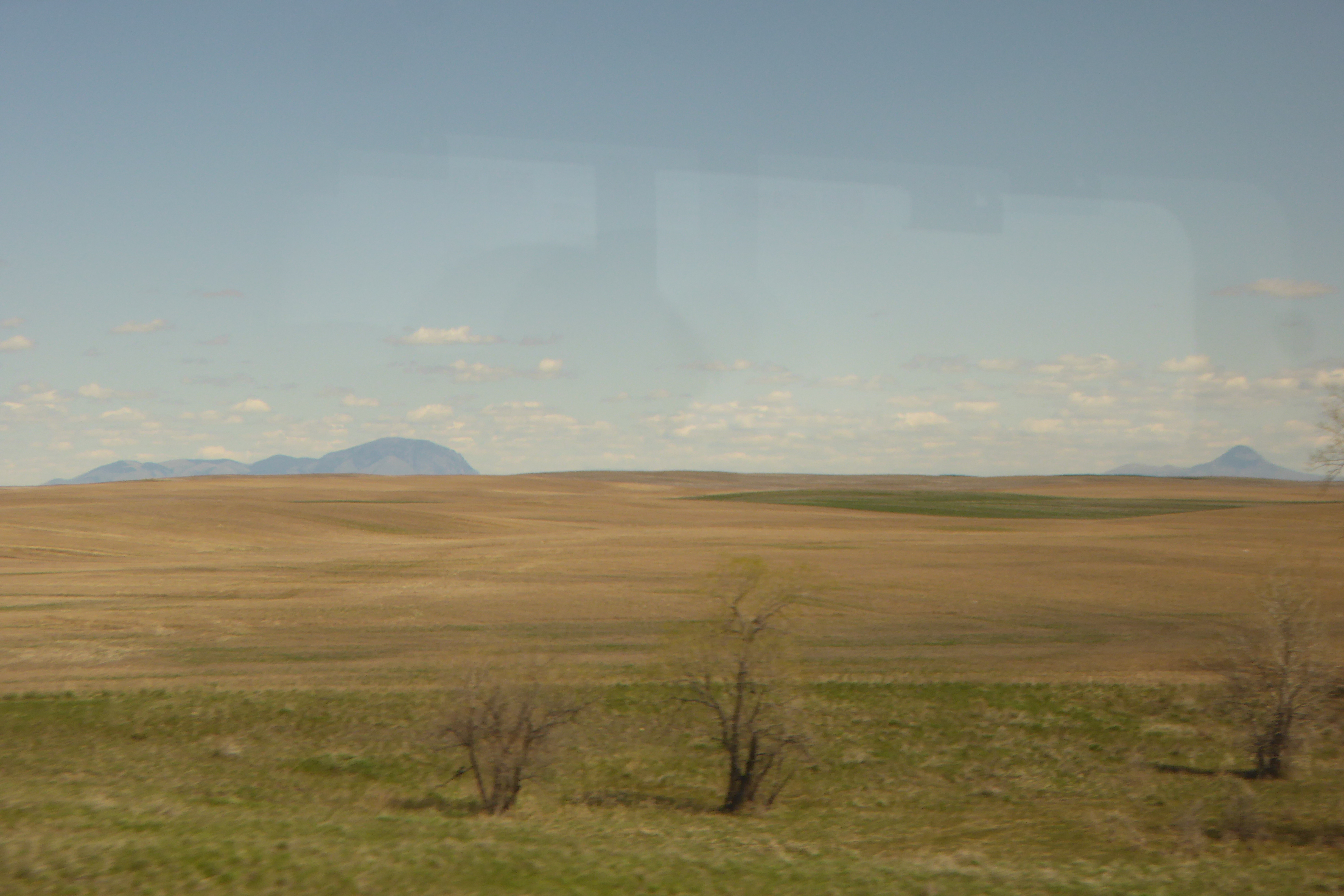 Wildlife became easier to spot on the open prairie. Through Montana the railroad took us just south of the true
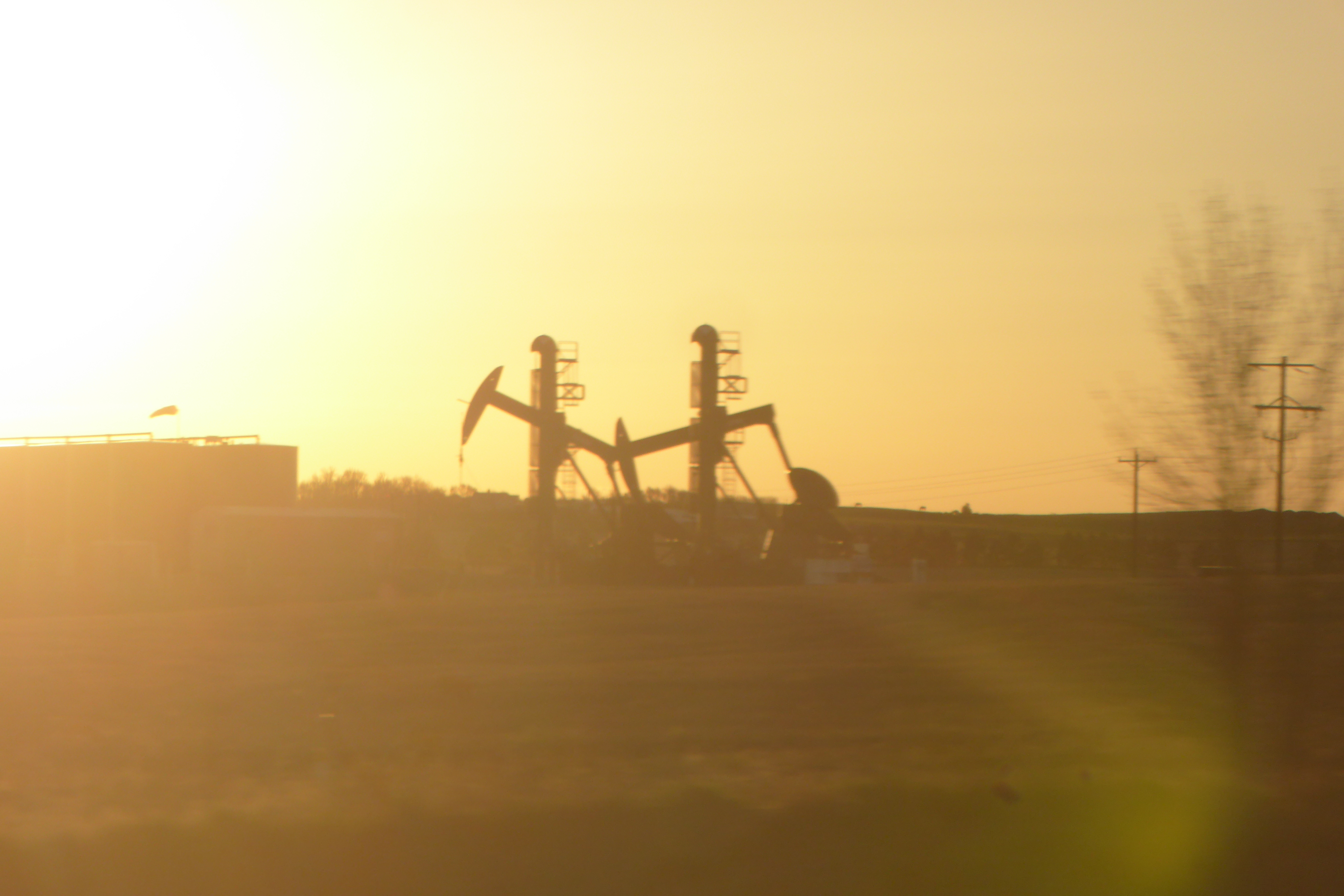
  In North Dakota, fracking wells became a prominent sight as the sun set.
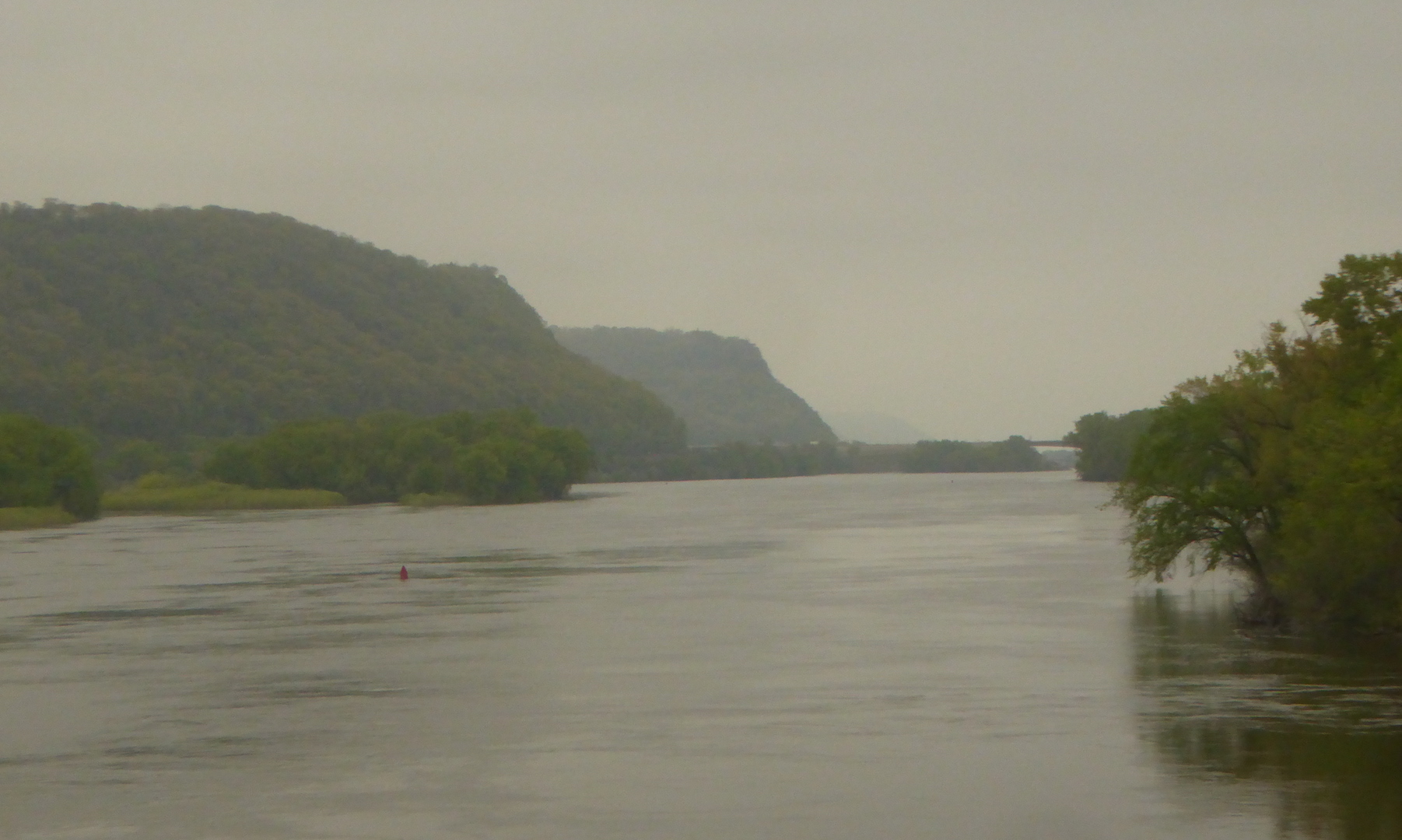
 On the morning of my third and final full day on the train I woke up somewhere in Minnesota where the prairie had long since yielded to cornfields. This was, historically, a battleground between prairie and forest. In this area, where precipitation is great enough to support tree growth, fire was the prairie’s greatest ally. Periodic burning kept the forest at bay. After American settlement, the prairie was plowed and fires suppressed. Along this ecosystem margin today, you’re more likely to see farm fields bordered by trees than a patchwork of prairie and forest.
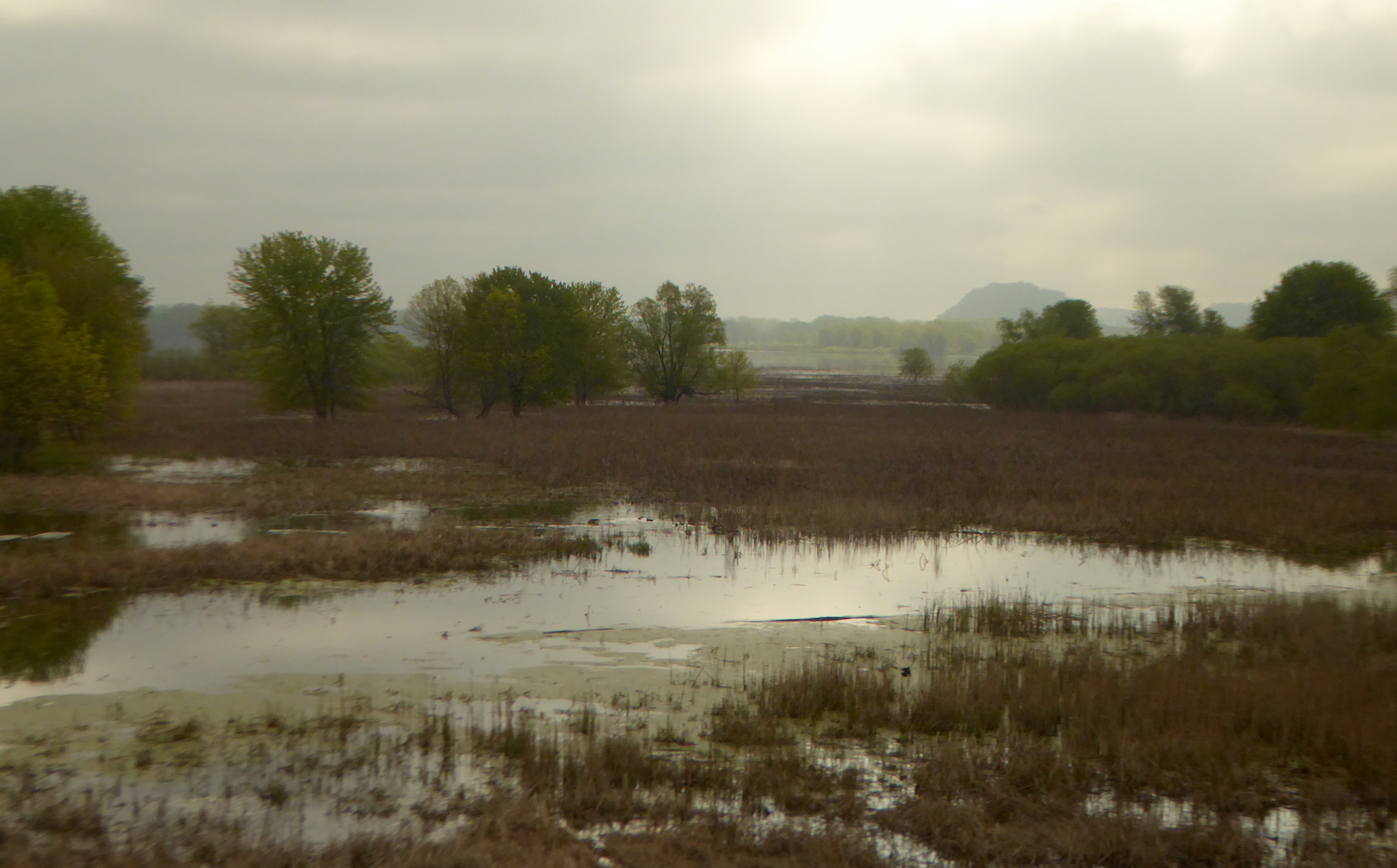
 …and the floodplain forest drowned in water.
 The train crossed the Mississippi one final time at La Crosse, WI. Heading upland into central Wisconsin, jack pine (Pinus banksiana) appeared on sandy soil. This species is essentially the eastern equivalent of lodgepole pine and the two hybridize where their ranges overlap. Like it’s western sibling, jack pine is well adapted to fire, often holding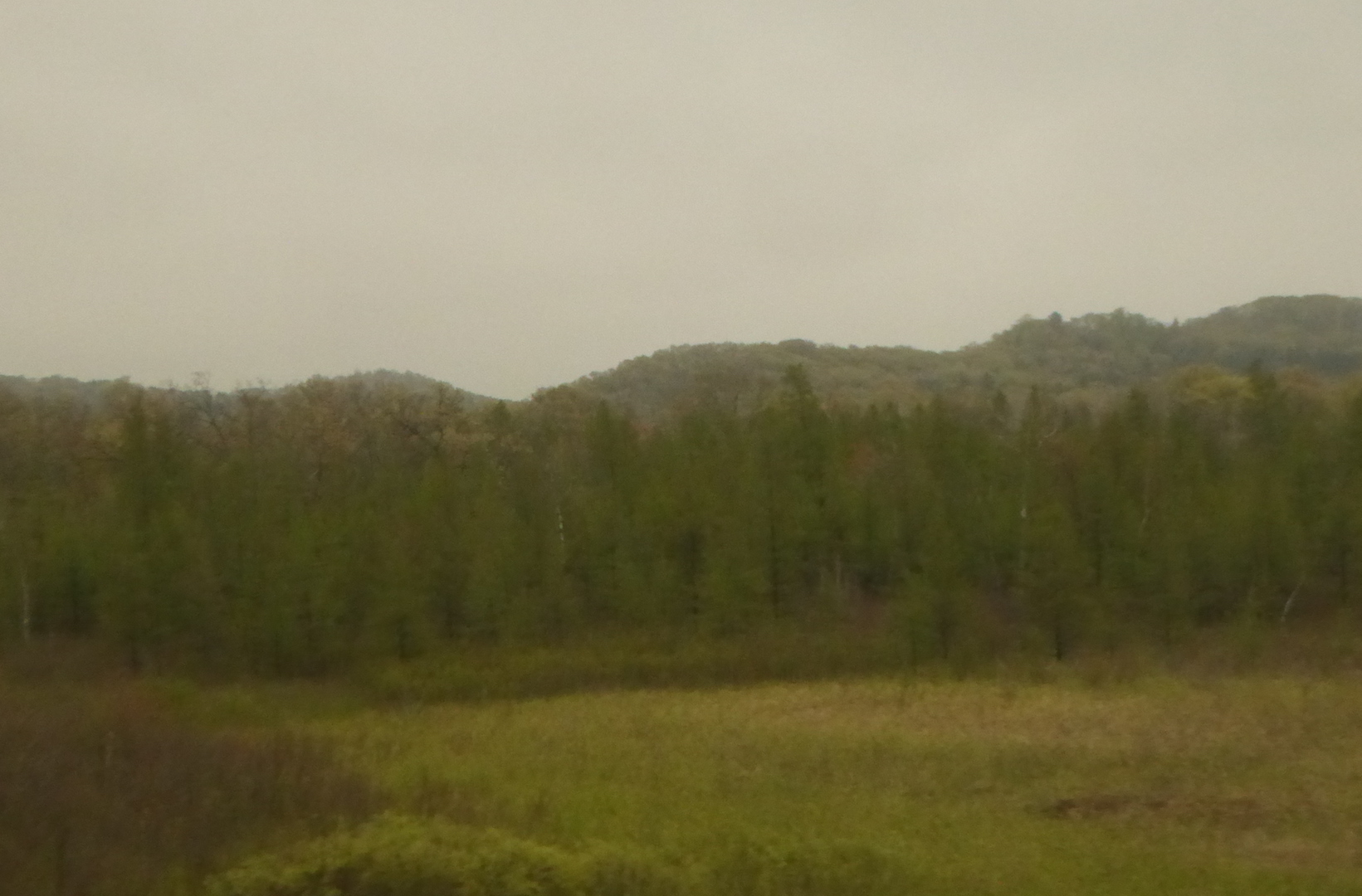
 Wandering at Large